知识点
<p>
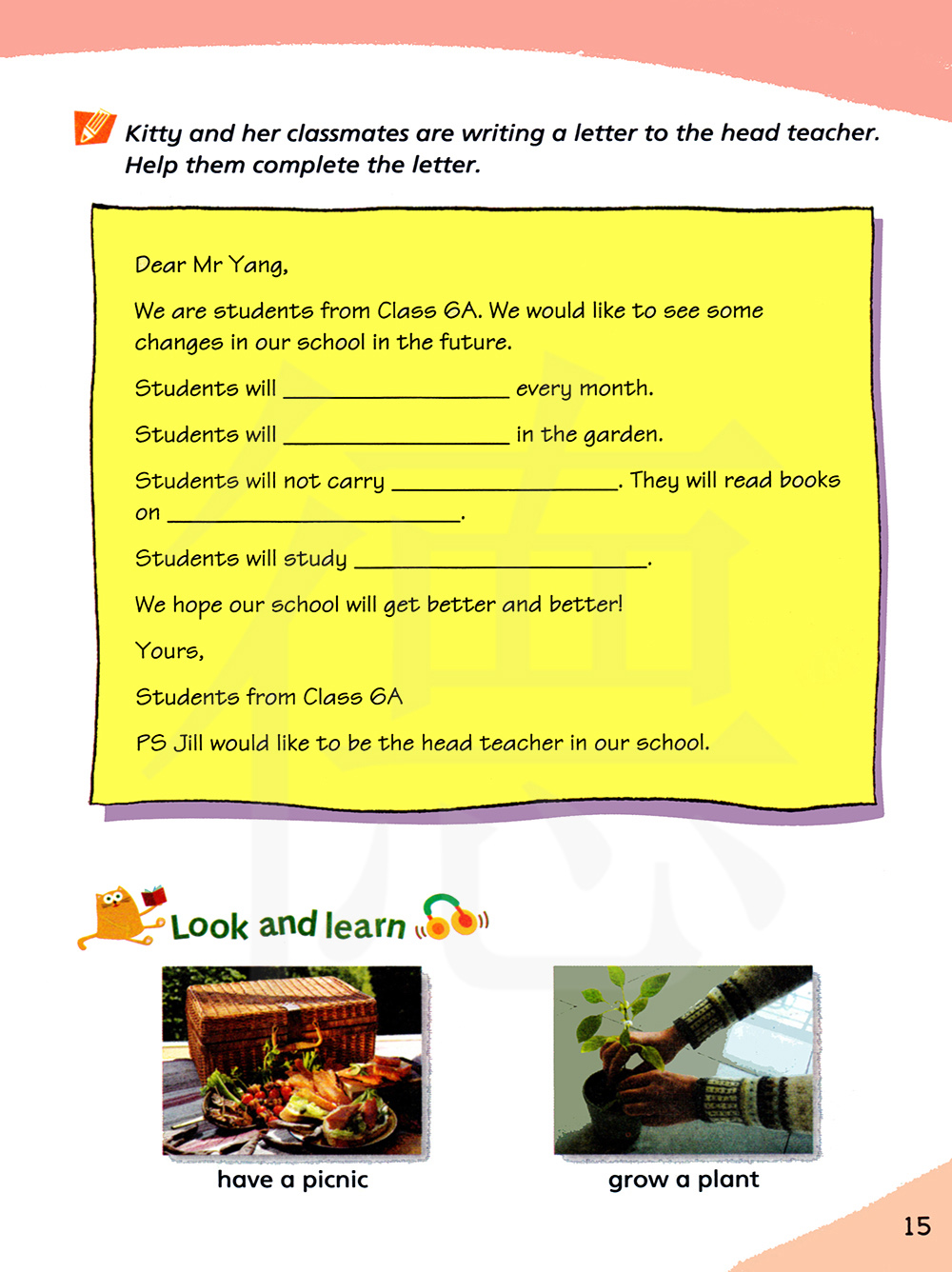
<span style="color: rgb(51, 51, 51); line-height: 20.4px; text-indent: 37.33px; font-family: 宋体; font-size: 18.66px; background-color: rgb(255, 255, 255);">生词及短语:</span><span lang="EN-US" style="color: rgb(51, 51, 51); line-height: 20.4px; text-indent: 37.33px; font-family: 宋体; font-size: 18.66px; background-color: rgb(255, 255, 255);">carry</span><span style="color: rgb(51, 51, 51); line-height: 20.4px; text-indent: 37.33px; font-family: 宋体; font-size: 18.66px; background-color: rgb(255, 255, 255);">、</span><span lang="EN-US" style="color: rgb(51, 51, 51); line-height: 20.4px; text-indent: 37.33px; font-family: 宋体; font-size: 18.66px; background-color: rgb(255, 255, 255);">a piece of</span><span style="color: rgb(51, 51, 51); line-height: 20.4px; text-indent: 37.33px; font-family: 宋体; font-size: 18.66px; background-color: rgb(255, 255, 255);">、</span><span lang="EN-US" style="color: rgb(51, 51, 51); line-height: 20.4px; text-indent: 37.33px; font-family: 宋体; font-size: 18.66px; background-color: rgb(255, 255, 255);">have a picnic</span><span style="color: rgb(51, 51, 51); line-height: 20.4px; text-indent: 37.33px; font-family: 宋体; font-size: 18.66px; background-color: rgb(255, 255, 255);">、</span><span lang="EN-US" style="color: rgb(51, 51, 51); line-height: 20.4px; text-indent: 37.33px; font-family: 宋体; font-size: 18.66px; background-color: rgb(255, 255, 255);">grow a plant</span><span style="color: rgb(51, 51, 51); line-height: 20.4px; text-indent: 37.33px; font-family: 宋体; font-size: 18.66px; background-color: rgb(255, 255, 255);">、</span><span lang="EN-US" style="color: rgb(51, 51, 51); line-height: 20.4px; text-indent: 37.33px; font-family: 宋体; font-size: 18.66px; background-color: rgb(255, 255, 255);">better and better</span><span style="color: rgb(51, 51, 51); line-height: 20.4px; text-indent: 37.33px; font-family: 宋体; font-size: 18.66px; background-color: rgb(255, 255, 255);">;</span></p>
<p>
<span style="color: rgb(51, 51, 51); line-height: 20.4px; text-indent: 37.33px; font-family: 宋体; font-size: 18.66px; background-color: rgb(255, 255, 255);">句型:</span><span lang="EN-US" style="color: rgb(51, 51, 51); line-height: 20.4px; text-indent: 37.33px; font-family: 宋体; font-size: 18.66px; background-color: rgb(255, 255, 255);">-What changes would you like to see in our school?-...will...</span></p>
<p>
知识点:</p>
<p>
<strong>表示一般将来时的方法主要有以下几种:1. will/shall+动词原形;2. be going to +动词原形;3. be+to+动词原形。现将它们的各种语用功能简述如下:</strong></p>
<p>
<strong> 一。 表示&ldquo;预测,预计&rdquo;等意思。</strong></p>
<p>
<strong> 当我们作&ldquo;预测&rdquo;时,用&ldquo;will/shall+动词原形&rdquo;或&ldquo;be going to +动词原形&rdquo;表示,不用现在进行时。例如:</strong></p>
<p>
<strong> 1. I think it &#39; ll rain this evening./I think it &#39; s going to rain this evening.&nbsp;(我想今天晚上天要下雨)</strong></p>
<p>
<strong> 2. You are going to hate this party./You will hate this party.(你将不喜欢这次聚会。)</strong></p>
<p>
<strong> 但是,当提及在某种条件下,一般用&ldquo;will/shall+动词原形&rdquo;表示,而不用&ldquo;be going to+动词原形&rdquo;表示。例如:</strong></p>
<p>
<strong> If you work hard,&nbsp;you will pass the test easily.(如果你努力学习,你会很容易地通过考试的。)</strong></p>
<p>
<strong> 不能说:If you work hard,&nbsp;you are going to pass the test.</strong></p>
<p>
<strong> 在口语中,&ldquo;I bet/I hope&rdquo;后面的从句可以用一般现在时表示将来时间。例如:</strong></p>
<p>
<strong> I bet she likes the flowers.(=I bet she will like the flowers.)(我敢说她会喜欢这些花的。)</strong></p>
<p>
<strong> 二。 表示&ldquo;已经确定的&rdquo;意思。</strong></p>
<p>
<strong> 有些句子,表示的既是将来,同时又是现在的情况。当你说&ldquo;She &#39; s going to have a baby&rdquo;时,不仅包含将来的信息(她将要生孩子了),而且也包含现在的信息(她已怀孕了)。在这种情况下,通常用&ldquo;be going to+动词原形&rdquo;表示。例如:</strong></p>
<p>
<strong> The Greens are coming to dinner.(格林夫妇要来吃晚饭。)(邀请已经发出,并且对方接受了邀请。)</strong></p>
<p>
<strong> &ldquo;be going to +动词原形&rdquo;还可表示强烈的决心。例如:</strong></p>
<p>
<strong> I &#39; m going to get to the top even if it kills me.(即使要了我的命,我也要爬到顶上。)</strong></p>
<p>
<strong> 三。 表示&ldquo;某种决定&rdquo;的意思。</strong></p>
<p>
<strong> 当我们谈及&ldquo;已作出一项决定&rdquo;时,一般用&ldquo;will+动词原形&rdquo;表示。(除了疑问句外,很少用&ldquo;shall+动词原形&rdquo;,且常用缩略式&nbsp;&#39; ll)例如:</strong></p>
<p>
<strong> &mdash;&mdash;The phone is ringing.(电话响了。)</strong></p>
<p>
<strong> &mdash;&mdash;I &#39; ll answer it.(我去接吧。)</strong></p>
<p>
<strong> 如果要问我们应当如何决定,就用&ldquo;shall+动词原形&rdquo;表示。例如:</strong></p>
<p>
<strong> What shall we do?(我们该怎么办?)</strong></p>
<p>
<strong> 四。 表示&ldquo;威胁,允诺&rdquo;等意思。</strong></p>
<p>
<strong> 表示&ldquo;威胁&rdquo;或&ldquo;允诺&rdquo;时,第一称常用&ldquo;I/We+will( &lsquo;&nbsp;ll)+动词原形&rdquo;表示。但是,也可用&ldquo;&hellip;&hellip;+be going to+动词原形&rdquo;表示。第二人称和第三人称可以用&ldquo;You/He/She/They+shall+动词原形&rdquo;表示。例如:</strong></p>
<p>
<strong> I promise I won &#39; t get drunk again./I promise I &#39; m not going to get drunk again.(我保证决不再喝醉了。)</strong></p>
<p>
<strong> You shall be punished.(你会受到处罚的。)</strong></p>
<p>
<strong> He shall suffer for this!(他会为此而吃苦头的。)</strong></p>
<p>
<strong> 五。 表示&ldquo;建议,请求&rdquo;的意思。</strong></p>
<p>
<strong> 当表示&ldquo;提议为别人做某事&rdquo;或&ldquo;请求别人做某事&rdquo;时,通常用&ldquo;Shall I/We&hellip;&hellip;?&rdquo;表示;表示建议时,常用&ldquo;Will you&hellip;&hellip;?&rdquo;表示。例如:</strong></p>
<p>
<strong> Shall I fetch some water for you?(要我去给你打些水来吗?)</strong></p>
<p>
<strong> Will you help me to carry the box?(请你帮我提一下盒子好吗?)</strong></p>
<p>
<strong> 六。 表示&ldquo;意图,自愿,坚持&rdquo;等意思。</strong></p>
<p>
<strong> 表示&ldquo;强烈的意图,自愿做某事&rdquo;或&ldquo;坚持做某事&rdquo;时,第一人称可用&ldquo;will+动词原形&rdquo;表示,通常不用&ldquo;shall+动词原形&rdquo;。例如:</strong></p>
<p>
<strong> I will write to her tomorrow.(明天我将给她写信。)</strong></p>
<p>
<strong> I will stop smoking&mdash;&mdash;I really will!(我要戒烟了-我真的要戒了!)</strong></p>
<p>
<strong> 当will表示&ldquo;意图&rdquo;时,在句中一般不重读,并不可缩略为&nbsp;&#39; ll;表示&ldquo;坚持做某事&rdquo;时,will必须重读,而且不可缩略为&nbsp;&#39; ll.例如:</strong></p>
<p>
<strong> Why will you go there?(你为什么想去那儿?)(表示意图)</strong></p>
<p>
<strong> I will do as I like.(我要做我想做的事。)(表示坚持)</strong></p>
<p>
<strong> 七。 表示&ldquo;征求意见&rdquo;的意思。</strong></p>
<p>
<strong> 当征球听话人的&ldquo;意见&rdquo;或&ldquo;意图&rdquo;时,用&ldquo;Shall I/We&hellip;&hellip;?&rdquo;表示。例如:</strong></p>
<p>
<strong> Shall I carry your suitcase?(=Do you want me to carry your suitcase?)(要我给你提箱子吗?)</strong></p>
<p>
<strong> Shall we have dinner now?(=Do you agree to our having dinner now?)(我们现在吃晚饭好吗?)</strong></p>
<p>
<strong> 八。 表示&ldquo;习惯性动作,性格特征&rdquo;或&ldquo;自然属性&rdquo;的意思。</strong></p>
<p>
<strong> will可以用来表示&ldquo;习惯性动作,性格特征&rdquo;或&ldquo;自然属性&rdquo;的意思。例如:</strong></p>
<p>
<strong> Pigs will eat anything.(猪是什么都吃的。)</strong></p>
<p>
<strong> Oil will float on water.(=Oil floats on water.)(油漂在水上。)</strong></p>
<p>
<strong> 九。 表示&ldquo;计划,安排,打算&rdquo;的意思。</strong></p>
<p>
<strong> &ldquo;be going to+动词原形&rdquo;结构常用来表示&ldquo;计划,安排&rdquo;或&ldquo;打算&rdquo;的意思,&ldquo;be+to+动词原形&rdquo;结构也可以表示按&ldquo;计划,安排&rdquo;将要发生的动作。例如:</strong></p>
<p>
<strong> What are you going to do today?(你今天打算干什么?)</strong></p>
<p>
<strong> I am to see my sister at six o &#39; clock this evening.(我打算今晚6点钟去看我妹妹。)</strong></p>
<p>
<strong>注意:此用法如果出现在宾语从句中,即使主句是过去时,从句谓语也要用一般现在时。</strong></p>
<p>
<strong>例:Columbus proved that the earth is round..</strong></p>
<p>
<strong>4)&nbsp;</strong><strong>现在时刻的状态、能力、性格、个性。</strong></p>
<p>
<strong>I don&#39;t want so much.</strong></p>
<p>
<strong>Ann Wang writes good English but does not speak well.</strong></p>
<p>
<strong>比较:Now I put the sugar in the cup.</strong></p>
<p>
<strong>I am doing my homework now.</strong></p>
<p>
<strong>第一句用一般现在时,用于操作演示或指导说明的示范性动作,表示言行的瞬间动作。再如:Now watch me, I switch on the current and stand back.&nbsp;第二句中的now是进行时的标志,表示正在进行的动作的客观状况,所以后句用一般现在时。</strong></p>
<p>
&nbsp;</p>
<p>
&nbsp;</p>
<p>
<strong>如何巧记妙用一般过去时态呢?</strong></p>
<p>
<strong>一、先看句子中是否有表示过去的时间状语。在以下的几种情况下,要用一般过去时:</strong></p>
<p>
<strong>1.&nbsp;</strong><strong>句子中有&ldquo;介词+表示过去时间的名词&rdquo;构成的短语,如in 1949,on March&nbsp;&nbsp;fifth等时。例如:</strong></p>
<p>
<strong>Tom was born in 1990.&nbsp;</strong><strong>汤姆出生于1990年。</strong></p>
<p>
<strong>2.&nbsp;</strong><strong>句子中有表示时间的副词yesterday,或由yesterday构成的短语,如&nbsp;yesterday morning/ afternoon/ evening,&nbsp;the day before yesterday等时。 例如:</strong></p>
<p>
<strong>He went to Beijing with his parents yesterday.&nbsp;</strong><strong>他昨天和他的父母一起去北京了。</strong></p>
<p>
<strong>3.&nbsp;</strong><strong>句子中有&ldquo;时间段+ago&rdquo;构成的短语,如five days ago,two years ago等时。例如:</strong></p>
<p>
<strong>My father came to the school three years ago.&nbsp;</strong><strong>我父亲三年前来到了这所学校。</strong></p>
<p>
<strong>4.&nbsp;</strong><strong>句子中有&ldquo;last&nbsp;+表示时间的名词&rdquo;构成的短语,如last year,last month&nbsp;等时。例如:</strong></p>
<p>
<strong>We visited the Great Wall last Sunday.&nbsp;</strong><strong>上个星期天我们参观了长城。</strong></p>
<p>
<strong>5.&nbsp;</strong><strong>句子中有其它表示过去的词语或短语,如once(曾经),then(那时),just now(刚才)等时。例如:</strong></p>
<p>
<strong>Your friend once telephoned to say goodbye to you.&nbsp;</strong><strong>你的朋友曾打电话向你告别。</strong></p>
<p>
<strong>I went to your home just now.&nbsp;</strong><strong>我刚去过你家。</strong></p>
<p>
<strong>二、句子中找不到明显的时间状语,此时就要通过上下文来判断。一般来说,如 果问句或答句用的是一般过去时,那么答句和问句也要用一般过去时。例如:</strong></p>
<p>
<strong>&mdash;How long did you live there?&nbsp;你们在那儿住了多久?</strong></p>
<p>
<strong>&mdash;We lived there for about one year.&nbsp;我们在那儿住了大约一年。</strong></p>
<p>
<strong>三、两个或两个以上的动词用and&nbsp;连接时,如果前一个动词是一般过去时,那么后面的动词也要用一般过去时。例如:</strong></p>
<p>
<strong>She put on her clothes and ran to the school.&nbsp;</strong><strong>她穿上衣服往学校跑去。</strong></p>
<p>
<strong>They talked, laughed and walked to the village.&nbsp;</strong><strong>他们说着、笑着往那个村庄走去</strong></p>
<p>
<strong>四、在讲故事或讲述过去的经历时,常用一般过去时。例如:</strong></p>
<p>
<strong>Once there was an old man. He lived by a river. He went out to catch&nbsp;&nbsp;fish every morning.&nbsp;</strong><strong>从前,有一位老人,他住在河边。每天早晨他都出去打鱼。</strong></p>
<p>
<strong>最后谈一谈一般过去时的否定句和一般疑问句的变化规则,同学们只要记住下面 的口诀便能轻而易举地解决这个问题:</strong></p>
<p>
<strong>一般过去时态并不难,过去发生的事情记心间。</strong></p>
<p>
<strong>主要句型&ldquo;主动宾&rdquo;,&ldquo;主系表&rdquo;结构也常见。</strong></p>
<p>
<strong>&ldquo;主动宾&rdquo;否定很简单,didn&#39;t&nbsp;放在主、动间。</strong></p>
<p>
<strong>&ldquo;主系表&rdquo;否定也不难,was/ were后not&nbsp;紧相连。</strong></p>
<p>
<strong>&ldquo;主动宾&rdquo;变成疑问式,did&nbsp;放在主语前。</strong></p>
<p>
<strong>&ldquo;主系表&rdquo;疑问也好办,was/ were&nbsp;提到主语前。</strong></p>
<p>
<strong>疑问、否定随你变,动词过去式要还原。</strong></p>