- 单词练习
- 单词听写
-
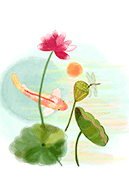
经历(have的过去式)
()
-

电话; 听筒;
()
-
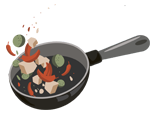
烹调;煮;烧
()
-
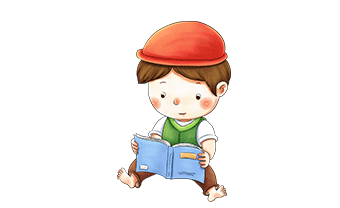
真的(表示兴趣或惊讶)
()
-
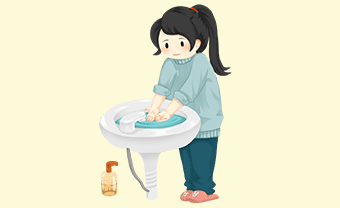
洗
()
-
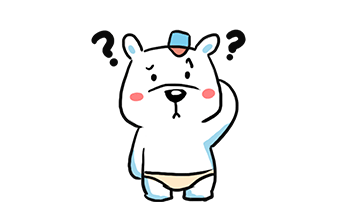
什么
()
-
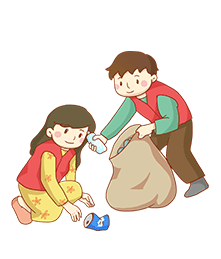
做,干;助动词(do的过去式)
()
-
不
()
-

计算机
()
-

恋爱
()
-

(宾格)他
()
-
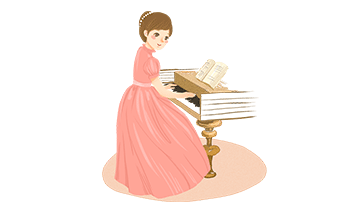
夫人,太太
()
had
phone
cook
really
wash
what
did
didn't
computer
love
him
Mrs
“消灭星星”规则:请在上面横线处填入对应的单词,如果单词拼写正确,下面对应的小星星将会消失哦!
(填写完成后请在空白处点击,表示填写完毕)
单词学习
had
v.有( have的过去式和过去分词 ); (亲属关系中)接受; 拿; 买到
例句:The house seemed muted, hushed as if it had been deserted.
房子里似乎悄然无声,安静得好像已经没人在住一样。
phone
n.电话; 听筒; (发声或使用声音的)工具; 说某种语言的
vt.& vi.打电话(给某人);
变形
例句:I took the phone, and she went discreetly into the living room.
我拿起了电话,她知趣地进了客厅。
cook
vt. 烹调,煮
vi. 烹调,做菜
n. 厨师,厨子
n. (Cook)人名;(英、印)库克
例句:Captain Cook safely navigated his ship without accident for 100 voyages.
库克船长驾驶的船安全出航100次无事故。
really
adv.真,真正; 实在,果真; 实际上; 事实上
例句:Issues such as these were not really his concern.
他其实并不关心诸如此类的问题。
wash
vt.洗,清洗; 浸湿; 冲刷,冲击; 洗去罪名
vi.耐洗; 被洗掉(通常与 out 和 away 连用); (波涛等)拍打;
n.(尤指船过后划出的)水流; 要洗的衣物的数量; 薄涂层(尤指涂料);
vt.弄湿; 使受洗礼; (光)布满; (猫等)舔净(自身)
adj.可洗的,耐洗的; (证券交易)虚假的;
例句:Wash your hands thoroughly with hot soapy water before handling any food.
在拿吃的之前,用热肥皂水把手好好地洗干净。
what
pron.(用以询问某人或某事物的词)什么,多少; …的事物;
adj.…的(事物或人);
adv.(用于感叹句中);
int.(用以表示不相信或惊奇); (用以表示未听清楚对方说的话);;
例句:
For what do we live, but to make sport for our neighbours, and laugh at them in our turn?
我们活着是为了什么?不就是给邻居当笑柄,再反过来笑他们。
did
v.做( do的过去式); 干; 学习; 研究
例句:He did not like to be caught out on details.
他不喜欢在细节上被人抓住把柄。
didn't
abbr.did not 没有;
例句:He once told an interviewer that he didn't even like rock music.
他曾告诉一位采访者,他甚至都不喜欢摇滚乐。
computer
n.(电子)计算机,电脑;]
例句:He programmed his computer to compare all the possible combinations.
他给他的计算机编制了一套程序,以比较所有可能的组合。
love
n. 恋爱;亲爱的;酷爱;喜爱的事物
vt. 喜欢;热爱;爱慕
vi. 爱
n. (Love)人名;(英)洛夫
例句:Do you doubt that I love you?
我爱你,对此你有怀疑吗?
him
pron.(he的宾格)他;
例句:She studied him for the longest time, looking wryly amused.
她面带苦笑,盯着他看了很长时间。
Mrs
n.太太; 夫人; 置于地方、运动、职业等名称之前,用来称呼公认是这事物的代表的已婚妇女;
例句:Mrs Allen's style of cooking owes much to her mother-in-law.
艾伦太太的烹饪风格很大程度上承传于她的婆婆。
-

had
经历(have的过去式)
-
phone
电话; 听筒;
-
cook
烹调;煮;烧
-
really
真的(表示兴趣或惊讶)
-
wash
洗
-
what
什么
-
did
做,干;助动词(do的过去式)
-
didn't
不
-
computer
计算机
-
love
恋爱
-
him
(宾格)他
-
Mrs
夫人,太太