知识点
【词汇解析】
1.hate
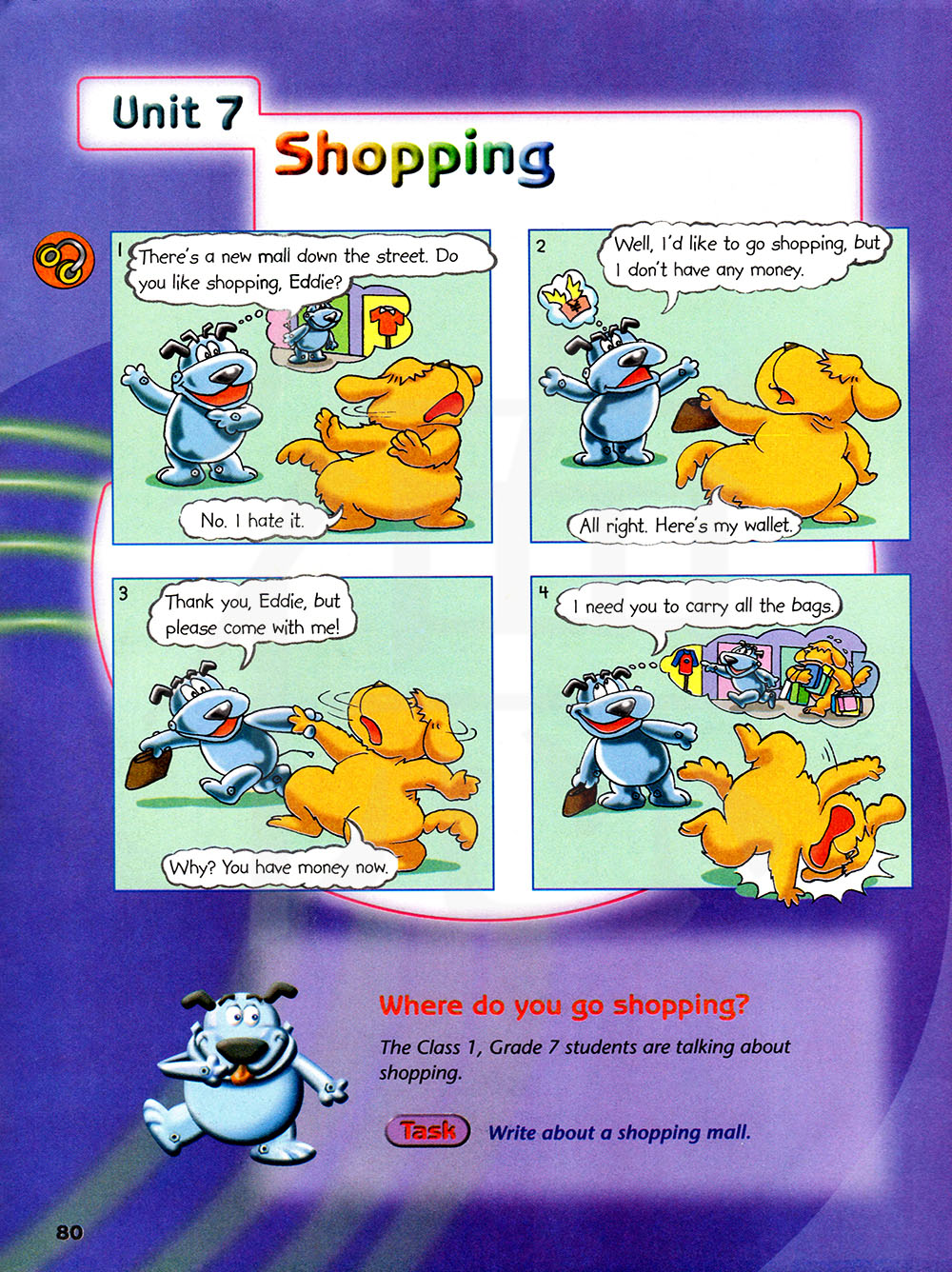
hate n.意为“讨厌;恨”。hate的用法与like相同,其后可接名词、代词、动词不定式或动词-ing形式作宾语。
I hate the man in the film. 我讨厌电影中的那个人。
My grandma hates listening to pop music. 我奶奶不喜欢听流行音乐。
2.sure
sure adj意为“确信的,肯定的,有把握的”。常与be动词构成系表结构:be sure,意思是“确定;深信”。常用结构为:be sure to do sth.,意思是“一定做某事;某事肯定会发生”。
I think he is coming.But I’m not quite sure. 我想他就要到了,但我不是很确定。
3.cost
cost用作动词,意思是“值(多少钱),需付费”。常用结构:sth.cost(s)sb.some money蒽为“某物花费某人多少钱”,cost的主语只能是物而不能是人。
The dress costs me more than 100 yuan. 这件连衣裙花了我100多元。
【辨析】spend,cost和 take
|
动词
|
主语
|
宾语
|
句型
|
|
spend
|
人
|
时间或金钱
|
sb. spend (s) some time/money on sth./(in) doing sth.
|
|
cost
|
物
|
金钱
|
sth. Cost(s) (sb.) some money
|
|
take
|
it
|
时间
|
It takes sb. Some time to do sth.
|
It takes too much time to walk to the museum.But taking a taxi will cost me about 20 yuan.I don’t want to spend too much money today.
步行去博物馆要花太多时间。但乘出租车要花费我约20元。今天我不想花太多钱。
4.match&fit
match用作动词,意思是“与……相配”。常用结构为:sth.match(es)sth.意思是“某物与某物相配”,近义词组为go well with sth.。
My father’s tie matches his shirt very well. 我爸爸的领带与他的衬衫很相配。
5.enough
enough作形容词或副词,意思是“足够,充分”,常放在被修饰的形容词或副词的后面;修饰名词时,enough常置于名词的前面。
I have enough time to do the work. 我有足够的时间来做这项工作。
My brother is not old enough to go to school.我弟弟还没有到上学的年龄。
【短语归纳】
1.go shopping/do some shopping 去购物
2.come with me 跟我来
3.need you to carry all the bags 需要你拎所有的包
4.many different shops 许多不同的商店
5.a clothes shop 一家衣服店
6.a sports shop 一家体育用品商店
7.buy Simon a present 给西蒙买个礼物
8.be interested in music 对音乐感兴趣
9.collect stamps 集邮
10.just a minute=wait for a short time 稍等
11.1ast year’s cards 去年的卡片
12.match her pink coat 与她的粉色外套相配
13.some exercise books 一些练习本
14.shops around my school 我学校周围的商店
15.use your pocket money 用你的零花钱
16.1earn a lot from books 从书中学到很多
17.walk a long way to school 走很长的一段路到学校
18.help the children in poor areas 帮助贫困地区的孩子们
19.on the top floor 在顶楼
20.one floor of restaurants 一层楼的餐馆
【句型分析】
1.I want to buy Simon a present. 我想给西蒙买个礼物。
buy sb.sth.意为“给某人买某物”,还有一种表达为buy sth.for sb.,两个词组意义相同,但如果词组中sb.和sth.都为代词时,只能用后者。
Who else do you need to buy for? 你还需要给谁买?
Daniel is looking for this kind of stamps.Why not buy it for him? 丹尼尔正在寻找这种邮票。为什么不给他买下这张?
2.Can I help you?(P82)您需要什么?
在购物的语境中,这句不能按字面意思来翻译,由售货员说出这句要译为“请问要买什么?”才合适。回答通常是“We want…”或“I would like…”。类似的表达还有:
What can I do for you? Is there anything I can do for you?
3.They don’t have any money. 他们没有一些钱。
这个句型还可以用“They have no money.”来表达,no可以表达为not any。
We have no classes today.一We don’t have any classes today.我们今天没有课。
I don’t have any salt.一I have no salt. 我没有盐。
4.The mall is a good place to meet friends and have fun.
这个购物中心是个会友及娱乐 的好地方。
句中运用不定式作定语,通常动词不定式置于被修饰的名词或代词之后。
He was the first to arrive and the last to leave.他第一个到,最后一个走。
Would you please give me some paper to write on?你愿意给我一些纸写字吗?
【注意】动词不定式作定语且所修饰的名词是time,place或way时,不定式后的介词一般要省去。
He had no money and no place to live. 他没有钱也没有地方住。
【语法点拨】
用some和any表示数量
some和any均表示“一些”,既可修饰或代替不可数名词,也可修饰或代替可数
some一般用于肯定句中;any多用于疑问句、否定句和(表示“如果”的)条件句中。some 和any可用作代词,作主语或宾语,也可用作形容词作定语。
Some of the students will go camping. 一些学生将去野营。(作主语) There isn’t any food in the fridge.冰箱里没有食物。(作定语)
If you have any water,please give me some.如果你有水,请给我一些。(any作定语, some作宾语)