单词学习
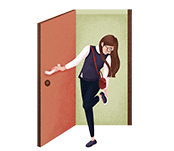
wake
vi.醒,醒来; 苏醒,复活; 警觉; 弄醒,叫醒
vt.激发,唤醒; 使意识到,使警觉; 为…守夜;
n.守灵,守夜; (船航过时的)尾波; 年度假期;
例句:Adam stumbles on, leaving a trail of devastation in his wake.
亚当蹒跚而行,沿路留下毁坏的痕迹。
wake up
醒来; 活跃起来; 引起注意; (使)认识到
例句:Strangely enough, you will automatically wake up after this length of time.
奇怪的是,过了这样一段时间你就会自己醒来。
shall
v.将要; 必须; 可以; 应该
例句:I shall have words with these stupid friends of mine!
我真应该跟我这些愚蠢的朋友理论理论!
hill
n.小山,山冈; 斜坡;
v.把…堆成小山; 培土于…周围;
例句:A girl in a red smock tripped down the hill.
一个身穿红色罩衫的女孩迈着轻快的步子下山。
seldom
adv. 很少,不常
例句:I seldom lunch at home.
我很少在家吃午饭。
out
adv.出局; 在外,在外部; 完全,彻底; 出版
prep.(表示来源)从; (从…里)出来; (表示不在原状态)脱离; 离去
vt.使熄灭; 揭露; 驱逐;
adj.外面的; 出局的; 下台的; 外围的
n.不流行; 出局;
例句:Barry had his nose put out of joint by Lucy's aloof sophistication.
露西的冷淡与世故使得巴里十分不快。
go out
外出; 出国; 熄灭; 出版
例句:I'm very much a loner — I never go out.
我这人非常孤僻,从不出门。
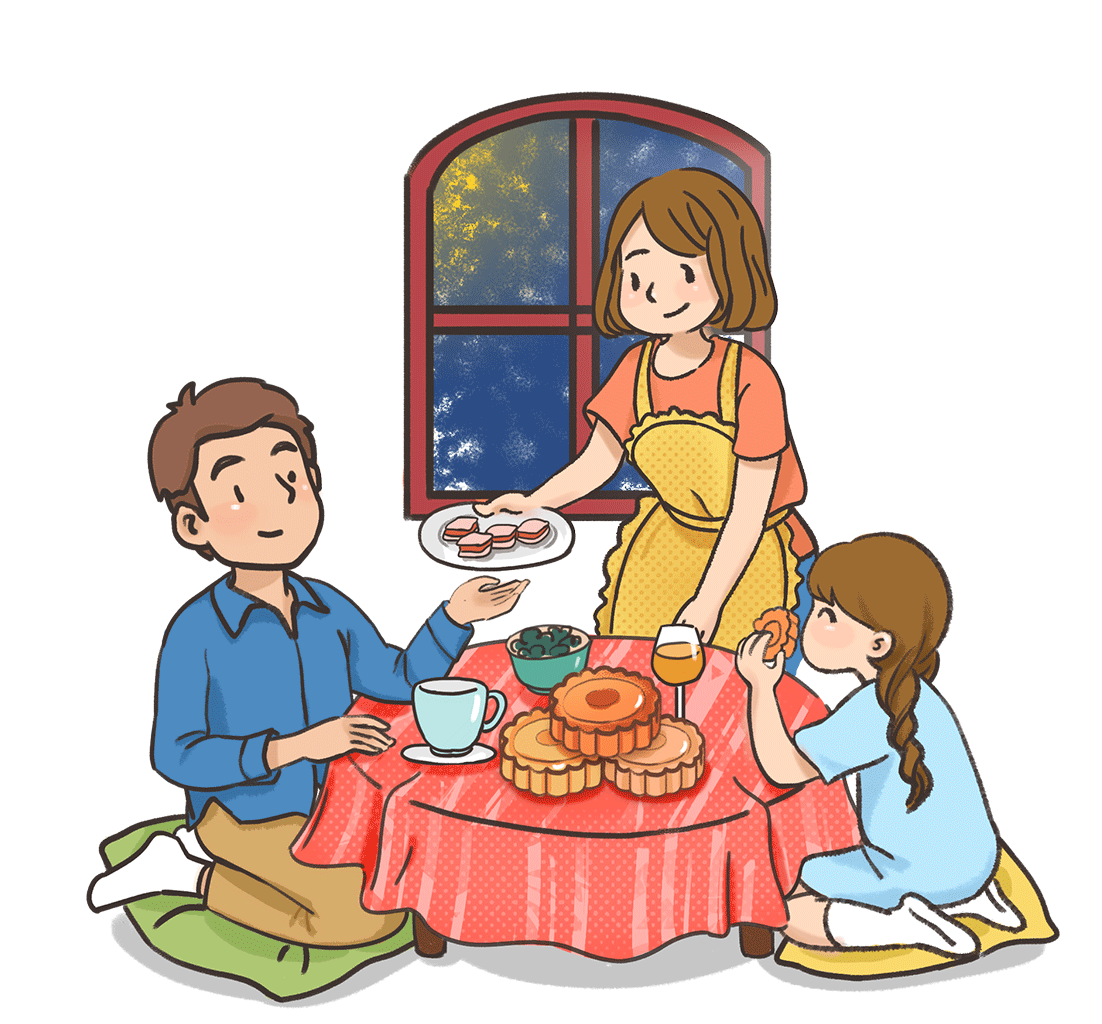
have breakfast
吃早饭;
例句:At nine o' clock on the dot, they have breakfast.
他们在9点钟准时吃早饭。
have lunch
吃午餐;
例句:I know a wonderful restaurant where we can have lunch next week.
我知道一家很不错的餐厅,下周我们可以去那里吃午饭。
have dinner
吃晚饭;
例句:How would you like to have dinner one night?
哪天晚上和我一起吃饭好吗?
need
vt.需要; 必须;
aux.必须; 不得不;
n.需要; 需要的东西; 责任; 贫穷
vi.(表示应该或不得不做)有必要;
变形
复数: needs 过去式: needed 过去分词: needed 现在分词: needing 第三人称单数: needs
例句:
Do not wait for good things to happen to you. You need to walk towards happiness.
不要等待好事降临,你要向幸福进发。
rest
n.休息; 剩余部分; 支持物; 宁静,安宁
vt.& vi.(使)休息; (使)倚靠[支撑];
vi.休息; 静止; 停止; 安心
vt.使休息; 使轻松; 使长眠; 使依赖
变形
复数: rests 过去式: rested 过去分词: rested 现在分词: resting 第三人称单数: rests
例句:
The price of oil should remain stable for the rest of 1992.
油价会在1992年剩下的时间里保持稳定。
just
adv.刚才; 仅仅,只是; 正好; 刚要
adj.公正的,合理的; 恰当的; 合法的; 正确的
例句:
If you're not satisfied with the life you're living, don't just complain. Do something about it.
对于现况的不满,不能只是抱怨,要有勇气作出改变。
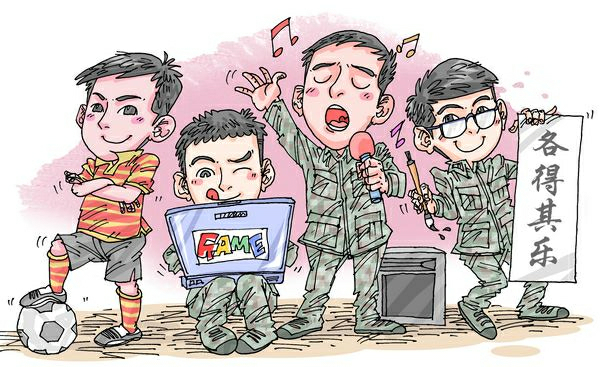
have fun
玩得高兴,过得快活; 耍笑; 玩耍;
例句:
" Oh, let's have fun,'she begged him. " It's too hot to fuss. "
“ 哦, 咱们高高兴兴地玩吧, ” 她央求他, “ 天太热了,别闹吧. ”
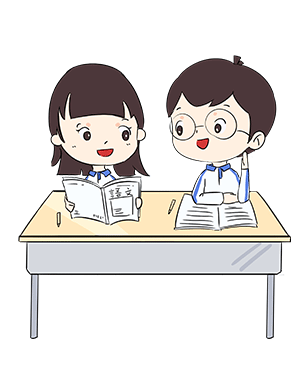
have lessons
上课;
例句:Young ladies used to have lessons in deportment.
女以前要上仪态课.
after-school
adj.课外的;
例句:
I took the kids for a picnic in the park after school.
放学后我带孩子们去公园野餐
activity
n.活动; 活跃,敏捷; 活动力; 教育活动
例句:The military on both sides are involved in intense activity.
双方的武装力量都有密集动作。
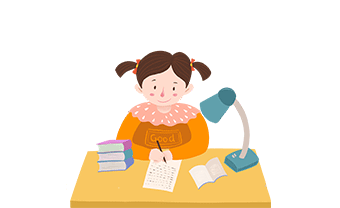
homework
n.家庭作业; 功课;
例句:Tom admits that playing video games sometimes distracts him from his homework.
汤姆承认玩电子游戏有时会使他无心做作业。
go to bed
去睡觉; 安歇;
例句:Why do we have to go to bed so early?
为什么我们那么早就得上床睡觉?
usually
adv.通常,经常,平常,惯常地; 一直,向来; 动不动,一般; 素
例句:I picked first all the people who usually were left till last.
我先挑出了所有通常留到最后的人。
never
adv.从不,从来没有; 一点也不,决不; <口>不会…吧,没有; 不曾
例句:Failure is never quite so frightening as regret do.
比失败更令人恐惧的是懊悔。
be late for
迟到;
例句:Then there was the mad rush not to be late for school.
然后就是匆忙往学校赶,以免迟到。
start
n.开始; 动身; 开动; 起点
vt.& vi.出发,启程;
vt.起动; 提出(问题); 开办; 使开始
vi.起始; 突然出现; 突然跳起; 突然涌出
例句:
There has been a busy start to polling in today's local elections.
今天地方选举的投票一开始就人头攒动。
quarter
n.四分之一; 一刻钟; 地区; (美式足球的)一节
vt.把…四等分; 供…住宿; 使(士兵)驻扎;
例句:This little ball of gold weighs a quarter of an ounce.
这个小金球重0.25盎司。
past
adj.过去的,以前的; 结束的; 前任的;
n.过去,过往; 往事; [语]过去时;
prep.超过,超出; 远于; 越过;
adv.经过,超过;
变形
复数: pasts
例句:
I must have driven past that place thousands of times.
我得有上千次开车经过那里。
in the morning
明天上午[早晨];在下午;在晚上;
例句:The weather was unkind to those pipers who played in the morning.
坏天气对上午那些风笛吹奏者毫不容情。
in the afternoon
adv. 在下午
例句:In the afternoon, we can buy a present.
我们可以在下午买一件礼物。
in the evening
在晚上
例句:In the evening they smoked and talked.
晚上,他们一面抽烟一面聊天。
first
n.第一,最初; 头等; 一号,; [乐]高音部
adv.最早,最初; 首次; 宁愿; 优先
adj.第一流的; 最初的,最早的; 基本的,概要的; 高音的
num.第一;
变形
复数: firsts
例句:
English has hurt me a thousand times, but I still regard it as my first love.
英语伤我千百遍,我待英语如初恋。
chat
vi.聊天; 闲谈; 参加网络闲聊;
n.(尤指非正式的)谈话; 鸣禽; [植] 柔荑花序(如柳絮);
vt.与…攀谈; 与…搭讪(或调情);
例句:You can chat to other people who are online.
你可以和其他在线的人聊天。
each
adj.每; 各自的;
pron.每个; 各自;
例句:His voice was harsh as he enunciated each word carefully.
他一字一顿,听上去很生硬。
other
adj.别的; 其他的; (两个中的)另一个; 其余的
pron.其他的; (指两个人或事物中的第二个)那个; (指一组中其余的人或事物)其余的; (指与说话人所在位置等相反的方向或地点)另一边
n.[the other]对立面;对立的事物;
例句:You can chat to other people who are online.
你可以和其他在线的人聊天。
each other
v.(用作动词或介词的宾语)互相,彼此;
例句:Try to support each other when one of you is feeling down.
当有人觉得情绪低落时,要努力相互打气。
practice
n. 实践;练习;惯例
vi. 练习;实习;实行
vt. 练习;实习;实行
例句:Practice is the sole criterion of truth.
实践是检验真理的惟一标准。
Have a good time
玩开心点儿
wish
v.希望; 想要; 祝愿;
n.愿望; 希望; 希望的事 ; 祝福
例句:"I wish I had a little brother," said Daphne wistfully.
“我希望有个小弟弟。”达夫妮伤感地说。
luck
n.运气; 好运; 机遇; 命运
vi.交好运,走运; 侥幸成功;
例句:Good luck is when an opportunity comes along and you're prepared for it.
好运就是当机会来临时,你早已做好了准备。
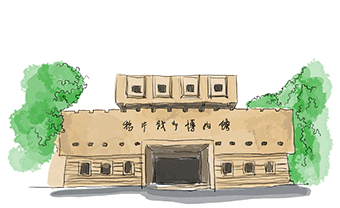
museum
n.博物馆;
变形
例句:The museum will have a permanent exhibition of 60 vintage cars.
这个博物馆将长期展出60辆老爷车。
twice
adv.两次; 两倍; 两遍;
例句:The car passed over the body twice, once backward and then forward.
那辆车把那人来回轧了两次,先是倒着轧的,再是往前开着轧的。
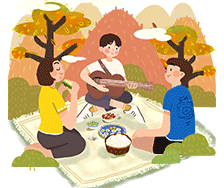
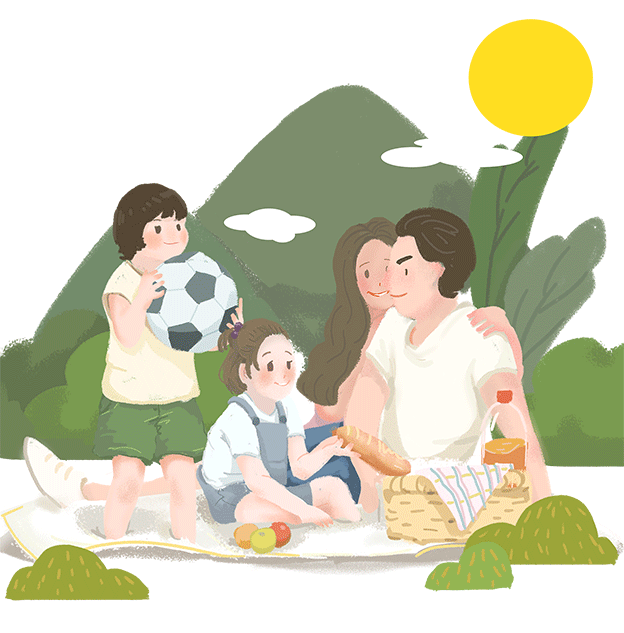
picnic
n.野餐郊游; 供野餐吃的食品; 猪的肩肉; 轻松的工作
vi.去野餐,参加野餐; 野餐式地用餐; 在户外用餐;
vt.用野餐招待;
变形
复数: picnics 过去式: picnicked 过去分词: picnicked 现在分词: picnicking 第三人称单数: picnics
例句:
I took the kids for a picnic in the park after school.
放学后我带孩子们去公园野餐。
once
adv.一次,一趟; 一倍; 曾经; 一旦
conj.一旦…就…; 一经;
n.一次,一回;
例句:It had once been the home of a wealthy nobleman.
这里曾是一个有钱贵族的宅邸。
dislike
vt. 不喜欢,厌恶
n. 嫌恶,反感,不喜爱
例句:Don't nibble at your food if you dislike it.
如果你不喜欢这饭,你就别勉强吃啦。
reason
n. 理由;理性;动机
vi. 推论;劝说
vt. 说服;推论;辩论
n. (Reason)人名;(英)里森
例句:Tell me the reason,pray.
请把理由告诉我吧。
ready
adj.准备好的,现成的; 即时的,敏捷的; 情愿的; 即将的
vt.做好…的准备;
adv.预先; 已完成地;
n.现款;
例句:Fraud squad officers had bugged the phone and were ready to pounce.
反诈骗小组的警员们已在电话上安装了窃听器,并随时准备突击。
get ready for sth
为...准备好
例句:Get ready for sth .
为某事做好准备。
learn
vt.& vi.学习,学会; 习得; 得知; 记住
vt.记住; 学习; 得知; 认识到
vi.学习; 获知;
变形
例句:No matter where you go in life or how old you get, there's always something new to learn about. After all, life is full of surprises.
不管你生活在哪里,你有多少岁,总有新东西要学习,毕竟,生活总是充满惊喜。
world
n.世界; 地球; 领域; 尘世
例句:The world breaks everyone, and afterward, many are stronger at the broken places.
生活总是让我们遍体鳞伤,但到后来,那些受伤的地方会变得更坚强。