- 单词练习
- 单词听写
-

野餐
()
-

去野餐
()
-
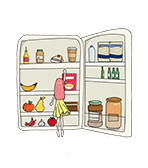
取出
()
-
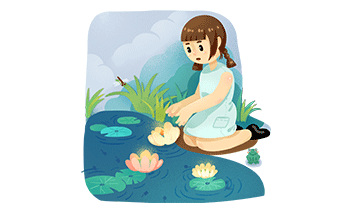
放; 表达
()
-
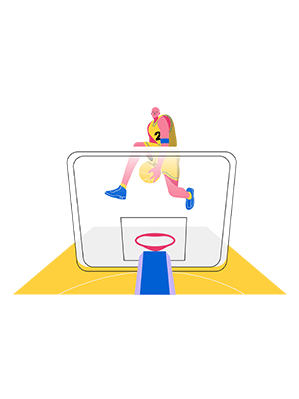
把.放进
()
-
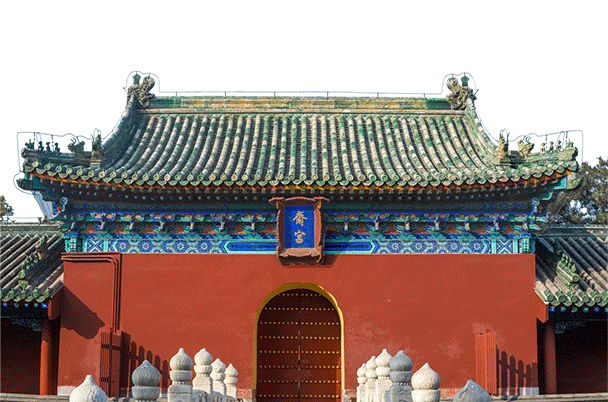
在大门口见面
()
-

空闲的,有空的
()
-

下一个
()
-
(表示提出或征求意见)
()
-

需要; 必须;
()
-
或,或者; 还是
()
-
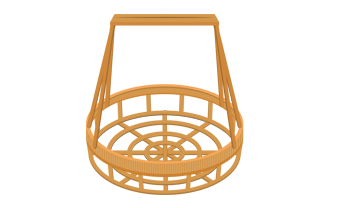
篮;筐
()
-

询问
()
-
饥饿的
()
-
开始
()
-

回答
()
-

兴奋的,激动的
()
picnic
go on a picnic
take out
put
put into
meet at the gate
free
next
shall
need
or
basket
ask
hungry
start
answer
excited
“消灭星星”规则:请在上面横线处填入对应的单词,如果单词拼写正确,下面对应的小星星将会消失哦!
(填写完成后请在空白处点击,表示填写完毕)
单词学习
picnic
n.野餐郊游; 供野餐吃的食品; 猪的肩肉; 轻松的工作
vi.去野餐,参加野餐; 野餐式地用餐; 在户外用餐;
vt.用野餐招待;
例句:I took the kids for a picnic in the park after school.
放学后我带孩子们去公园野餐。
go on a picnic
去野餐
例句:When spring rolls around again, shall we go on a picnic?
当春天再度来临, 我们举行一次野餐好 吗 ?
take out
v.取出,除去; 拔掉; 把…带出去; 邀请(某人)外出
例句:You can just take out the interest each year, if you choose.
你要是愿意,每年可以仅支取利息。
put
vt.放; 表达; 给予(重视、信任、价值等); 使处于(某种状态)
vt.& vi.使感觉到; 使受到…的影响;
vi.说; 猛推; 将…送往; 使与…连接
n.[方]笨蛋,怪人; 对策;
adj.固定的; 不动的;
变形
过去式: put 过去分词: put 现在分词: putting 第三人称单数: puts
例句:
A changing world has put pressures on the company.
日新月异的世界使这家公司感到了压力。
put into
把.放进
例句:They had asked Hong Kong for permission to put into port there.
他们请求香港允许他们在那里入港停留。
meet at the gate
在大门口见面
例句:Shall we meet at the gate after the film?
电影结束后我们在大门见,好 吗 ?
free
adj.自由的; 免费的; 免税的; 空闲的
adv.免费地; 自由地,无拘束地; 一帆风顺地;
vt.免除; 释放; 使自由; 解救
例句:I wasn't expecting you to do it for free.
我并没有指望你白干。
next
adj.紧接在后的; 次于的; 贴近的; 紧邻的
adv.接下去; 然后; 居后地; 依次的
n.下一位; 下一个;
prep.靠近; 居于…之后; 在…的隔壁;
例句:I would prefer him to be with us next season.
我更希望他下一个赛季和我们在一起。
shall
v.将要; 必须; 可以; 应该
例句:I shall have words with these stupid friends of mine!
我真应该跟我这些愚蠢的朋友理论理论!
need
vt.需要; 必须;
aux.必须; 不得不;
n.需要; 需要的东西; 责任; 贫穷
vi.(表示应该或不得不做)有必要;
变形
复数: needs 过去式: needed 过去分词: needed 现在分词: needing 第三人称单数: needs
例句:
Do not wait for good things to happen to you. You need to walk towards happiness.
不要等待好事降临,你要向幸福进发。
or
conj.或,或者; 还是; 不然,否则; 左右
prep.<古、诗>在…之前,比…更早;
n.[纹章]黑金色、黑色;
例句:
No matter where you go in life or how old you get, there's always something new to learn about. After all, life is full of surprises.
不管你生活在哪里,你有多少岁,总有新东西要学习,毕竟,生活总是充满惊喜。
basket
n.篮; 一篮; (篮球运动的)篮; 投篮得分
v.把…装入篮内; 把…丢入字纸篓里;
例句:He'd put his dirty laundry in the clothes basket.
他会把自己的脏衣服扔进洗衣篮里。
ask
vt.& vi.问,询问; 需要; 要求,请求; 邀请
vt.邀请; 请求允许; 要价; 询问
vi.请,邀请; 询问; 要求;
例句:That was Nicholas's cue to ask for another chocolate chip cookie.
那表示尼古拉斯还想要一块巧克力曲奇。
hungry
adj.饥饿的; 渴望的,渴望得到; (统称)饥民; 荒年的,不毛的
例句:Come on now. You know you must be hungry.
好,来吧,你肯定已经饿了。
start
n.开始; 动身; 开动; 起点
vt.& vi.出发,启程;
vt.起动; 提出(问题); 开办; 使开始
vi.起始; 突然出现; 突然跳起; 突然涌出
例句:
There has been a busy start to polling in today's local elections.
今天地方选举的投票一开始就人头攒动。
answer
vt.& vi.答复; 解答; 答辩; 适应
n.回答; 答案; 反应; 足以媲美的人
例句:"I can't give you an answer now," he hedged.
“我现在不能回答你,”他闪避道。
excited
adj.兴奋的,激动的; 活跃的; 激发的; 受刺激的
v.使兴奋( excite的过去式和过去分词);
例句:When angry or excited, however, he could be wild, profane, and terrifying.
但愤怒或激动的时候,他也会发狂、会骂人、令人生畏。
-

picnic
野餐
-
go on a picnic
去野餐
-
take out
取出
-
put
放; 表达
-
put into
把.放进
-
meet at the gate
在大门口见面
-
free
空闲的,有空的
-
next
下一个
-
shall
(表示提出或征求意见)
-
need
需要; 必须;
-
or
或,或者; 还是
-
basket
篮;筐
-
ask
询问
-
hungry
饥饿的
-
start
开始
-
answer
回答
-
excited
兴奋的,激动的