知识点
短语归纳
1. turn off 关上(开关)
2. depend on / upon 依靠,取决于
3. make a difference 有影响,起作用
4. cut down 砍倒
5. run out 用完,耗尽
6. in place 在正确位置
7. be good for 对……有好处
8. air pollution 空气污染
9. take showers 淋浴
10. keep it that way 保持那个样子
11. be separated into 被分成
12. throw… into… 把……扔进……
13. be filled with 充满
14. clean up 清扫干净
15. in place 在正确的位置
句型归纳
1. be serious about sth 对某事是认真的
2. allow ( doing ) sth 允许(做)某事
3. allow sb. to do sth 允许某人做某事
4. punish sb. for (doing) sth 因为(做)某事惩罚某人
5. make a difference (to sb./ sth.) (对……)有影响,起作用
6. do harm to 对……有伤害
7. do a survey on 座一个关于……的调查
8. be harmful to 对……有害
9. not only… but (also)… 不但……而且……
知识点总览
1.We can reduce air pollution by riding bicycles.我们可以通过骑自行车减少污染。reduce 及物动词,“减少”。如:
Giving up smoking reduces the risk of heart disease. 戒烟会减少得心脏病的风险。
2. We can save water by taking shorter showers.我们可以通过洗更短的淋雨节省水。 save 动词,“节约,节省”,save water “节约用水”。如:
It’s necessary for us to save water. 节约用水对我们来说很有必要。
3. My dad used to drive me to school, but now we take the underground.我的爸爸过去常常开车送我去上学,但现在我们乘地铁。
(1)used to 表示“过去常常”,后接动词原形构成used to do sth “过去常常做某事”。 He used to drink.他过去经常喝酒。
(2)be used to doing sth “习惯于做某事”。如:
The old man is used to living alone.这位老人习惯于一个人生活。
【拓展】be used to 后面也可接动词原形,即be used to do sth,表示“被用于做某事”,是一种被动结构,相当于be used for doing sth。如: The material is used to make a plane. 这材料是用于制造飞机的。 5. More and more families own cars and this causes serious air pollution.越来越多的家庭拥有汽车,这导致严重的空气污染。
(1)cause使(某事)发生,引起 This disease can cause blindness. 这种疾病可能会导致眼睛变盲。
(2)more and more 越来越 At present, more and more people are using computers 现在,越来越多的人使用电脑。
6. It is beautiful, and we should try to keep it that way. 它很漂亮,我们应尽力使它保持那样。
try to do sth “设法做”,表示尽力去做,不管是否成功。
【拓展】try doing sth “试一试”,表示试着去做。
7.For example , we are not allowed to cut down tree.例如,不允许我们砍树。
(1)for example 例如
(2)allow动词,意为“允许”,常用于allow sb. to do sth结构,意为“允许某人做某事”。
My parents wouldn’t allow me to go to the party. 我父母不会让我去参加聚会。
8. We depend on its rich resources to live, so it is important for us to protect it wisely.我们依靠它(大自然)丰富的资源生活,因此明智地保护它对我们来说是重要的。
depend on 依靠,依赖
He will depend on their parents for a long time. 他将依靠他的父母太长的时间。
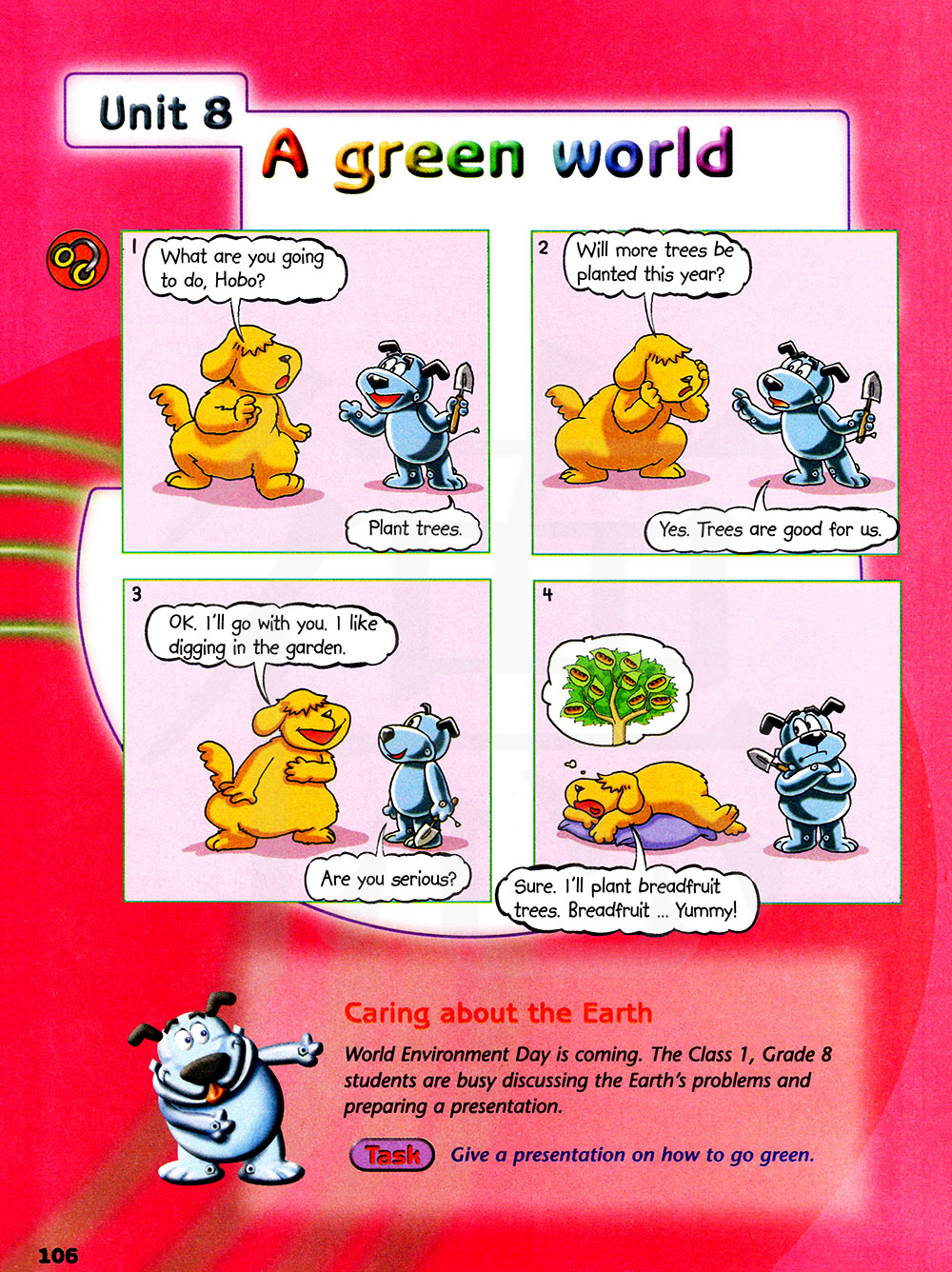
语法:一般将来时的被动语态
一般将来时的被动语态有两种构成形式:
1、will + be done表示“将会被……”。其否定式是在will后面加not,疑问句式是将will提至主语前。
主动句: Our college will send her to Oxford University.
被动句: She will be sent to Oxford University by our college.
否定句: She will not be sent to Oxford University by our college.
疑问句: --Will she be sent to Oxford University by our college?
--Yes, she will. / No, she will not.
2. be going to + be done表示“准备被……,打算被……”。其否定形式是在be going to中的be后加not,疑问句式是将be提至主语前。
主动句: They are going to invite you to the party.
被动句: You are going to be invited to the party by them.
否定句: You are not going to be invited to the party by them.
疑问句: --Are you going to be invited to the party by them?
--Yes, I am. / No, I’m not.