知识点
短语归纳
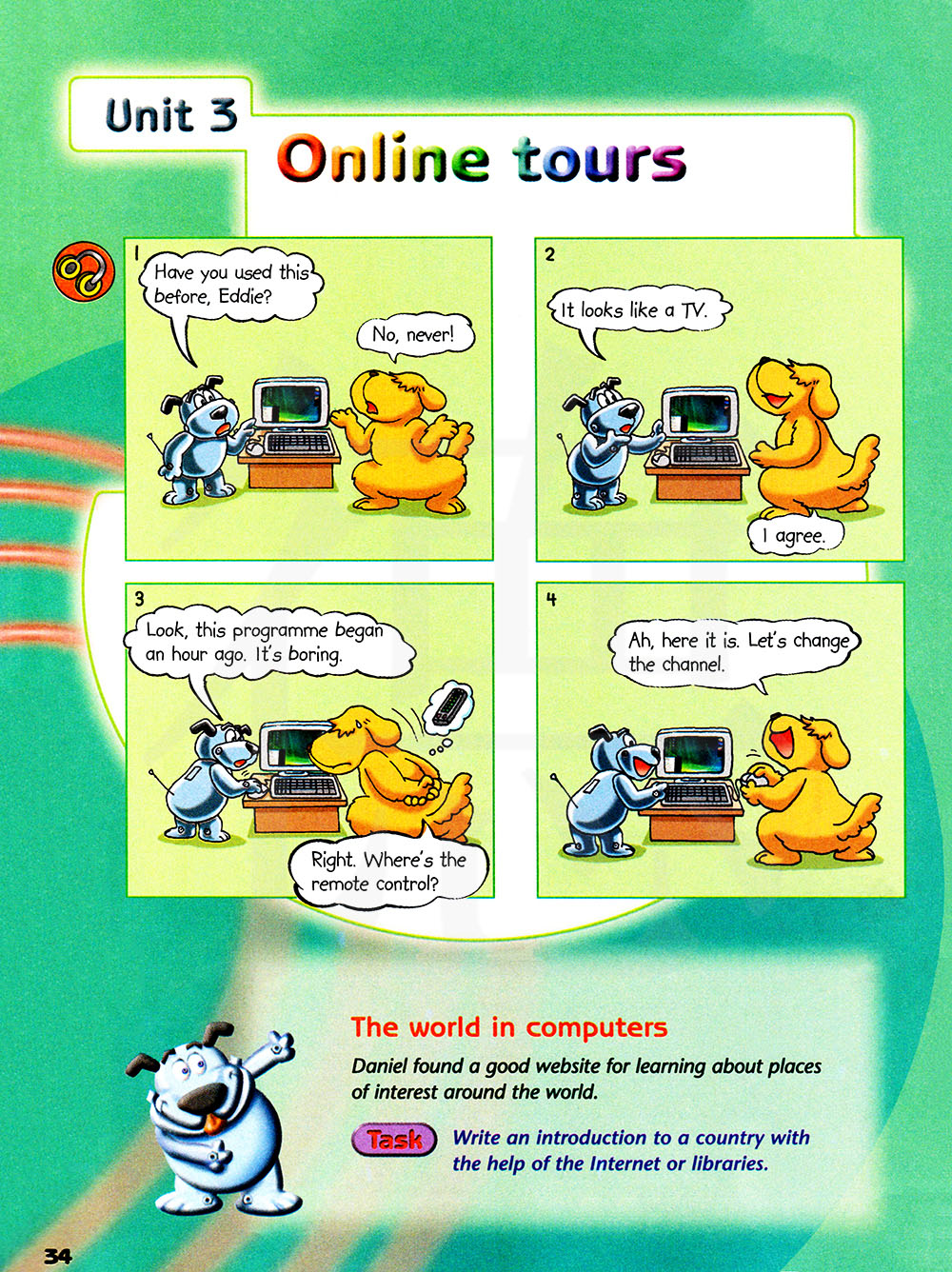
1. look like看起来像
2. play games玩游戏
3. search for搜索
4. how often多久一次
5. chat with sb.与某人聊天
6. at the top of在…顶端
7. click on点击
8. in the centre of 在…中心
9. thousands of成千的
10. be famous for因…而著名
11. so much for this…到此为止
12. at the bottom of在…的底部
13. be made up of由…组成
14. have/has been to去过(某地)
15. more than 超过
16. have a great time玩的开心
17. places of interest名胜
18. some day(将来的)某一天
19. the Sydney House悉尼歌剧院
20. from…to…从…到…
21. prepare for 为…做准备
22. on New Year’s Eve在新年前夜
23. be filled with充满
24. take part in参加
25. learn about了解
26. hear of听说
27. the early twentieth century20世纪早期
28. do word processing进行文字处理
29. send and receive emails收发电子邮件
30. come from来自
31. dream of梦想
32. travel around the world环游世界
33. for example例如
34. my pleasure不客气
35. see a doctor看医生
36. places of natural beauty自然景点
37. the world-famous trade centre世界著名的世贸中心
句型归纳
1. use sth. to do sth. 使用某物做某事
2. welcome to+地点名词 欢迎来到…
3. It’s the best time to do sth. 做某事最佳时间
4. Let sb. do sth. 让某人做某事
5. It +be+形容词+to do sth. 做某事是…的。
6. help sb. do sth. 帮助某人做某事
7. sound+形容词 听起来…
8. 一段时间+ago …之前
9. It takes sb time to do sth. 某人花时间去做某事
10. by doing sth. 通过做某事
11. Would you mind doing sth.? 你介意做某事吗?
12. see sb. doing sth. 看见某人做某事
13. learn to do sth. 学会做某事
14. want to do sth. 想要做某事
知识点总览
1. look like 看起来像…
2. agree的用法
agree to do sth. 同意做谋事
agree with sb. 同意某人的意见或看法
agree on/about sth. 在.....上达成一致意见
3. send sth. to sb. = send sb. sth.
4. use sth. to do sth.= use sth. for doing sth. 使用某物做某事
5. almost和nearly的区别
almost可以同no one, nothing, no, none,nobody,never搭配, 而nearly则不可; 但可以说not nearly, 不可说 农田almost.
6. Welcome 和Welcome to的区别
Welcome home!欢迎回家。
Welcome to my home!欢迎来我家做客。
7. further和farther的区别
在做副词时两者都表示距离方面的“更远,较远”;
在做形容词时:
further 表示抽象意义,指程度上“更多,更进一步,更深一层”
farther 只表示距离上“更远,较远”
8. 数字+hundred/thousand/million
hundreds of:成百上千/ thousands of:成千上万
9. be famous for: 因…而著名
be famous as:作为…而闻名,后接表示身份,职业等名词
10. be filled with= be full of
11. dream of: ①做梦,梦见,梦到 ②向往,渴望,想象
12. opposite:.
介词:“在…对面”,相当于across from, 常与名词一起构成介词短语,表方位
形容词:另一边的,对面的,相反的
副词:在对面
名词:“相反的人或物,对立面”,常与介词of 一起使用
13. mind doing sth.
14. be made up of: 由…组成
be made in: 在…制造
be made of: 由…制成的(能看出原材料)
be made from: 由…制成(看不出原材料).
15. between:指两者之间
among:用于三个或三个以上的人或物之中
16. prepare:
prepare for = get ready for: 为…做准备
prepare…for…:“为…准备…”
17. remember:
remember to do sth.: 记得去做某事(此事还未做)
remember doing sth.: 记得已做过某事 (此事已完成)
18. (It’s)my pleasure: 用于已经帮助别人,别人感谢你时,回答“不客气,没关系”
With pleasure:用于别人请求你帮忙而你还未做,表示答应别人的请求,很荣幸能帮你这个忙。
语法:一般过去时与现在完成时
一般过去时和现在完成时的主要区别:
① 侧重点不同
现在完成时表示过去发生的动作对现在造成的影响,侧重于现在的情况; 一般过去时表示过去某个时候发生的动作、存在的状态,与现在没有关系。
② 时间状语不同
现在完成时常与 already, yet, just, never, before, so far等词语以及since和for引导的时间状语连用;一般过去时常和yesterday, last week, just now, in 2004, two days ago等具体的表示过去的时间状语连用。
③对谓语动词的要求不同
现在完成时可表示从过去开始持续到现在的动作或状态,此事往往和表示一段时间的状语连用,这时谓语动词要用延续性动词而不是非延续性动词;一般过去时中的谓语动词没有延续性或非延续性的。