知识点
1. It is important to help others. 帮助他人很重要。
2. for example (eg) 例如;譬如
3. dry the dashes 盘子擦干
4. wash the dashes 洗盘子
5. What else do you do at home? 你在家还做其它什么事情?
6. wash hands /wash face 洗手/洗脸
7. brush teeth 刷牙
8. work hard at 努力做……
9. listen to 听……
10. clean the house 打扫房子
重难点知识讲解
(一)重点句子
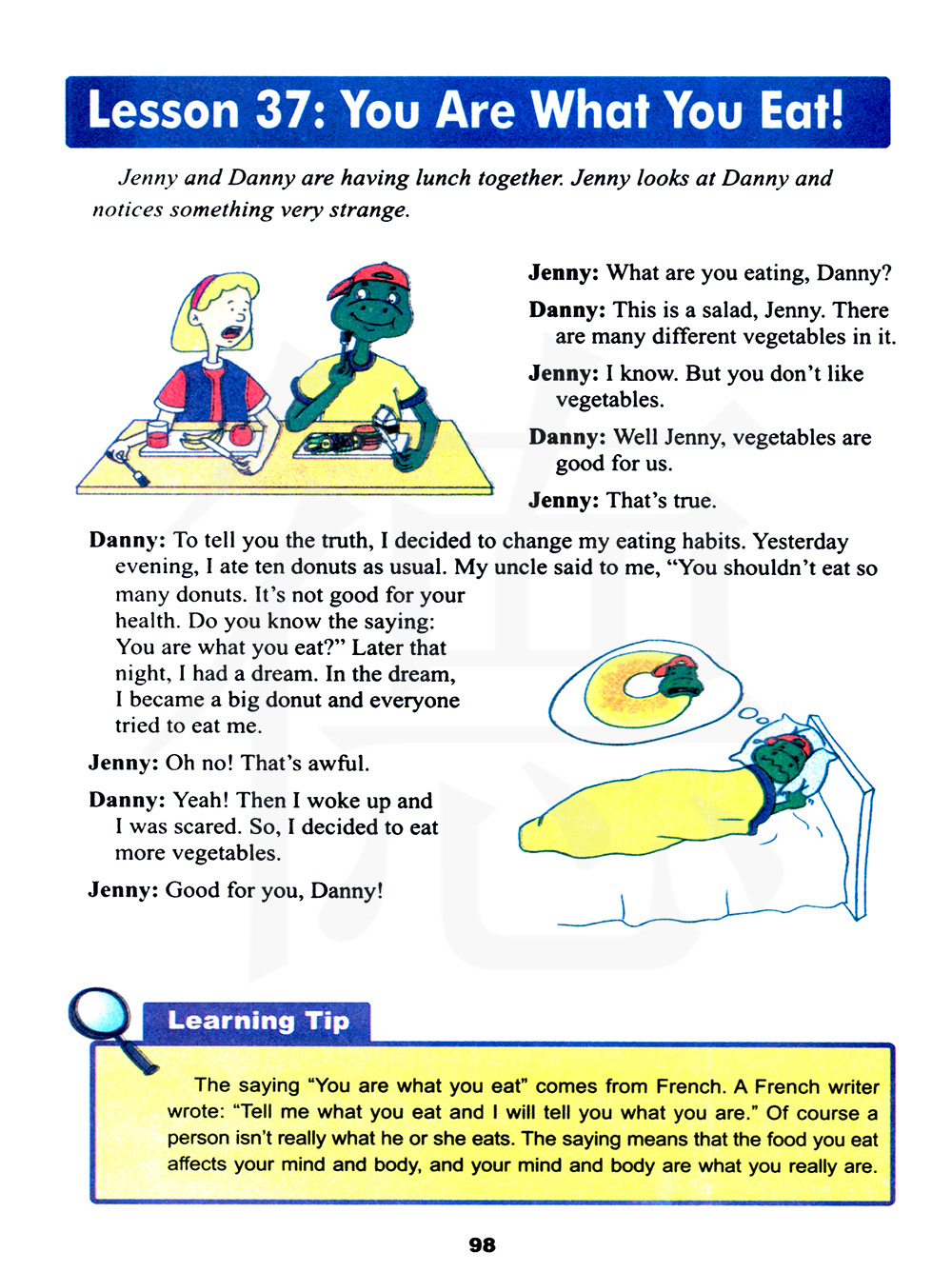
1.Because it’s good for you. 因为它对你有好处。
be good for 意为“对……有好处”。
e.g.Vegetables are good for your health. 蔬菜对你的健康有好处。
Reading is good for your English. 读对于你的英语来说有好处。
句型:It’s good for sb. to do sth. 意为“某人做某事有好处”。此类句型中It为形式主语,没有实际意义。
e.g.It’s good for students to listen carefully. 认真听讲对学生们有好处。
It’s good for you to sleep early and get up early. 早睡早起好。
be good for的反义词组为 be bad for.
e.g.Readin g in the sun is bad for your eyes. 在阳光底下读书对你的眼睛有害。
2. How often do you eat vegetables?你多久吃一次蔬菜? how often意为“多久”,问动作发生的频率。
e.g.How often does your sister write to you? 你妹妹多久给你写一次信?
How often does Mary call her mom? 玛丽多久给她母亲打一次电话?
How often do you go out for a trip? 你多久出去旅游一次?
类似的词组还有“how long”、“how soon”、“how far”等。 how long意为“多久(问时间的长短)”或“多长(问物体的长度)”
e.g.How long do you study here? 你在这儿学习多久了?(问时间的长短)
How long is your hair? 你的头发有多长?(问物体的长度)
how soon意为“多快,多久以后”。 e.g.How soon will the train arrive? 火车多快能到达?
how far意为“多远”,问距离。 e.g.How far is your home? 你家有多远? How far is the library? 图书馆有多远?
3.Riding a bike is exercise. 骑自行车是锻炼。
在此句中由Riding这个动名词做主语。
(1)Walking to school is exercise. 步行到学校是一种锻炼。
Running is exercise. 跑步是一种锻炼。
Playing ping-pong is exercise. 打乒乓球是一种锻炼。
(2)exercise 既可做名词使用,也可做动词使用。 当exercise表示“运动锻炼”时是不可数名词。
e.g.How much exercise do you need? 你需要多少运动锻炼?
He does morning exercise every day.他每天做晨炼。
当exercise表示“智力或精神方面的训练活动”时是不可数名词。
e.g.She is doing English exercises. 她正在做英语练习。
exercise做动词时表示“运动,锻炼”。
e.g.My father likes to exercise in the evening. 我父亲喜欢晚上锻炼。
3.Exercise helps you make your body healthy and strong.
(1)help sb. (to) do sth.“帮助某人做某事”,其中的动词不定式符号to可以省略。 e.g.Can you help me carry the box? 你能帮我搬这个盒子吗? She always helps her little brother do homework. 她经常帮她弟弟做家庭作业。
(2)make此处为“使”的意思,后接形容词做宾补。 e.g.His coming made us happy. 他的到来使我们感到高兴。 The teacher’s words make the students laugh. 老师的话使学生大笑。
(二)重点单词及词组
1.twice 两次,副词
e.g.He comes to my home twice today. 他今天到我家来了两次。
I wash my face twice a day. 我每天洗两次脸。
※一次 once 二次 twice 三次 three times 四次 four times 五次 five times
2.work hard at 在……方面努力学习/工作
e.g.I work hard at English. 我努力学习英语。
Do you work hard at your work? 你在工作方面努力吗?
3.wake up 醒,醒来
e.g.I always wake up early in the morning. 我早上总是醒得很早。
She woke up at 8:30 this morning. 她今天早上8:30才醒来。
wake sb. up 把某人唤醒
e.g.I wake him up at 6:00 every day. 我每天早上6点把他唤醒。
My mother will wake me up at 7:00 tomorrow. 我妈妈明天将会7:00把我叫醒。
4.from…to… 从……到……
e.g.This letter is from Mary to Tom. 这封信由Mary写给Tom.
How far is it from Wuhan to Huanggang? 从武汉到黄冈多远?
(三)本单元常见表达法
1.谈论频度
How often do you eat donuts? Twice a day.
I never /sometimes eat onions.
2 .谈论时段
How many minutes a day do you wash the dishes?
About ten minutes.
That’s ten minu tes of exercise a day and fifty minutes a week. 3.表扬与鼓励
Very good!
Good work!
Well done