知识点
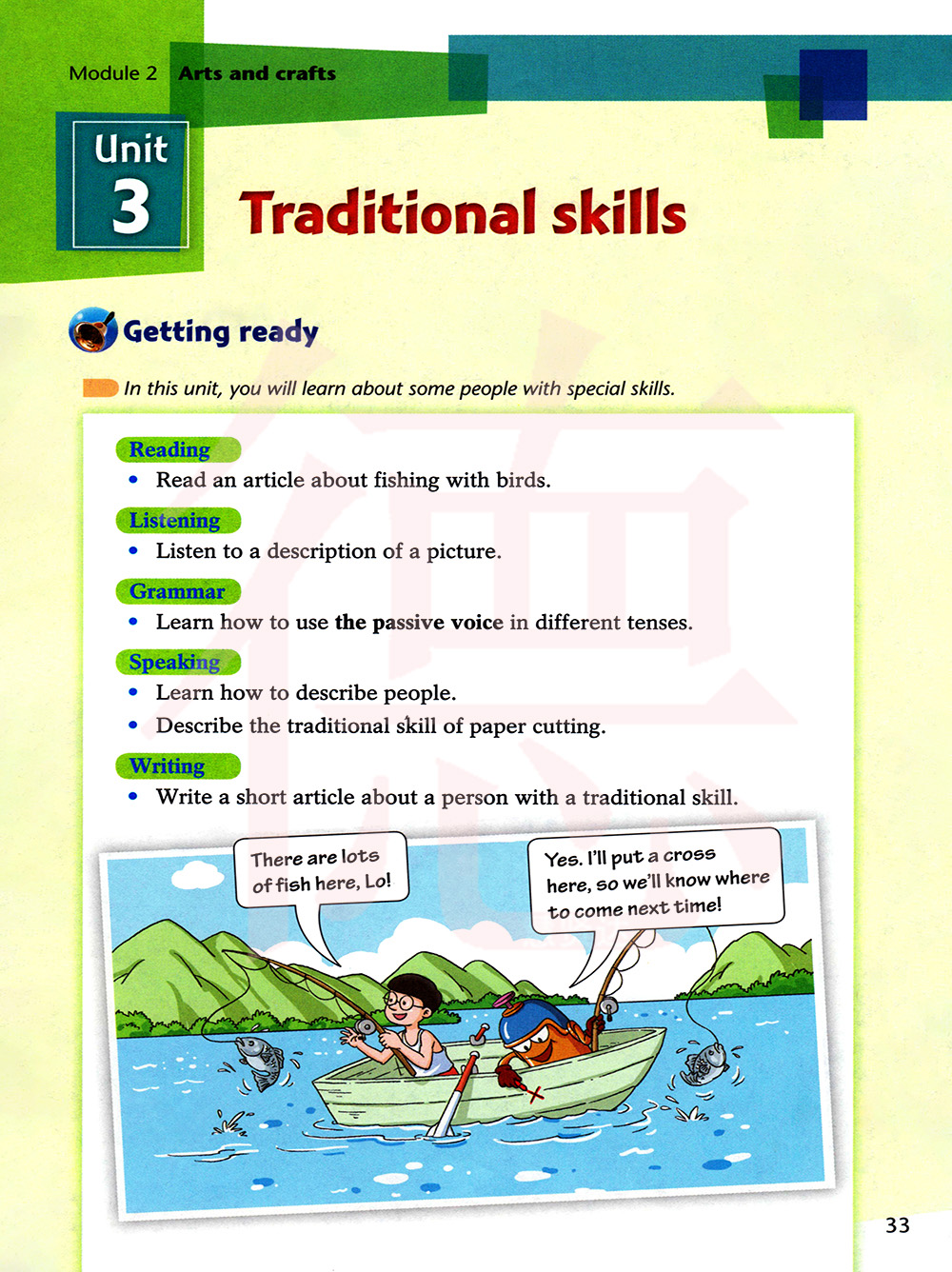
<p> <strong><u>重点单词(词性变化)</u></strong>    </p> <p> 1. describe (v.) --- description (n.) 描述             </p> <p> 2. dive (v.) --- diving (现在分词) --- diver (名词)    </p> <p> 3. require (v.) --- requirement (n.)                  </p> <p> 4. luck (n.) --- lucky (adj.) --- luckily (adv.) = fortunate (adj.)   </p> <p> 5. health (n.) --- healthy (adj.)                     </p> <p> 6. hang (v.)--- hung (过去式)--- hung (过去分词)   </p> <p> 7. love (n/v)--- lovely (adj.)                    </p> <p> 8. reach  --- reaches (三单)    </p> <p> 9. attract (v.)--- attraction (n.)                      </p> <p> 10. fisherman --- fishermen (复数)   </p> <p> 11. simple(adj.)--- simply (adv.) </p> <p> <strong><u>同义词(组)</u></strong>     </p> <p> 1. fit = healthy and strong 健壮的                </p> <p> 2. set off = start = set out 出发    </p> <p> 2. reach= arrive at/ get to 到达                   </p> <p> 4. hang = put it on 悬挂     </p> <p> 5. require = need 需要                          </p> <p> 6. dive down= go deeper underwater 潜入    </p> <p> 7. simple = easy 简单                           </p> <p> 8. although= though 虽然     </p> <p> 9. describe = say what something is like 描述        </p> <p> 10. lovely = attractive 有吸引力的    </p> <p> 11. scissors = something used to cut paper           </p> <p> 12. no more = not… any more     </p> <p> 13. all the time = all the way = from the beginning to the end  </p> <p> <strong><u>重点短语 </u></strong>    </p> <p> 1. up to 到达             </p> <p> 2. set off 出发             </p> <p> 3. up and down  起伏           </p> <p> 4. after dark 天黑后       </p> <p> 5. no more 不再            </p> <p> 6. all the time 一直 </p> <p> 7. dive down 潜入        </p> <p> 8. a piece of grass 一根草     </p> <p> 9. during the day 在白天 </p> <p> 10. tie…to               </p> <p> 11. use sth. to do sth          </p> <p> 12. stop sb. from doing sth </p> <p> 13. in the late afternoon 黄昏时分          </p> <p> 14. get ready for  为…做准备 </p> <p> 15. push… into  把  …推进  …          </p> <p> 16. bring…back 把…带回 </p> <p> 17. throw …into  把…扔进               </p> <p> 18. at the front of… 在…前面 </p> <p> 19. turn…into… 把…变成 </p> <p> <strong><u>重点句子</u></strong>    </p> <p> 1. Although he is over 65, he is very fit and still enjoys working.  虽然他已年过65 岁,但身体健康,依然喜欢劳作。    </p> <p> 2. They can dive down  and stay under the water for up to two minutes.      它们可以潜入水下,待上最多两分钟的时间。    </p> <p> 3. Damin usually sets off in the late afternoon and gets the cormorants ready for work.     大明通常在傍晚出发,让鸬鹅做奸捕鱼的准予   </p> <p> 4.During the day, he jumps up and down on his boat.     在白天,他会在船上上上下下地跳跃。    </p> <p> 5.After dark,  he hangs a light on a post at the front of the boat.     夜幕降临后,他就在船头的柱子上挂一盏灯。    </p> <p> 6. No nets are required for this type of fishing.     这类捕鱼方法不需要网。     </p> <p> 7 In 50 years, perhaps. there will be no more cormorant fishermen in the world.      50年后,可能世界上再也不会有用鸬鹚捕鱼的渔夫了。   </p> <p> 知识讲解及拓展  <a href="https://wenku.baidu.com/view/1f1272ad4afe04a1b071dea5.html" title="广州 新版 八下 Unit 3 Traditional skills知识点 - 百度文库"> </a></p> <p> 1、 used to & be used to doing &be used to do  </p> <table border="1" cellspacing="0" style="width:619px;"> <tbody> <tr> <td style="width:155px;"> <p> Used to do sth</p> </td> <td style="width:112px;"> <p> 过去常常做某事</p> </td> <td style="width:176px;"> <p> 只用于过去时态</p> </td> <td style="width:176px;"> <p> He used to go to school by bike.</p> </td> </tr> <tr> <td style="width:155px;"> <p> Be used to doing</p> </td> <td style="width:112px;"> <p> 习惯于做某事</p> </td> <td style="width:176px;"> <p> 可用于过去,现在,将来等时态</p> </td> <td style="width:176px;"> <p> He is used to going to school.</p> </td> </tr> <tr> <td style="width:155px;"> <p> Be used to do</p> </td> <td style="width:112px;"> <p> 被用于......</p> </td> <td style="width:176px;"> <p> 可用于任何时态</p> </td> <td style="width:176px;"> <p> =be used for doing</p> </td> </tr> </tbody> </table> <p> </p> <p> <br /> 2、 although 虽然,尽管       </p> <p> 与though同义,用来引导让步状语从句。不能与but同时出现在句子中。Although比较正式, 常用于句首;though多用于非正式文体,表示强调。</p> <p> 3、 fit  adj. 健壮的,健康的  v. 合适,侧重于尺寸,大小合适。    </p> <p> To keep fit, she eats a lot of vegetables and fruits. This coat doesn’t fit me.  </p> <p> 4、 up to  到达,至多有; up to now  到现在为止=by now    </p> <p> His storybooks are up to 50. </p> <p> 5、 set off  出发,动身=set out    </p> <p> They set off at night.  </p> <p> 6、 get/be ready for   为......做好准备,  be ready  准备好的..... Be ready to do sth   准备做某事    </p> <p> Mother gets ready for dinner.    </p> <p> Tom is ready for the exam.    </p> <p> Are you ready?     </p> <p> I’m ready to go.  </p> <p> 7、 tie...around..栓......在......周围   </p> <p> The girl ties a scarf around her neck.   </p> <p> Tie to   把......系在......  </p> <p> He  tied the horse to a tree.  </p> <p> Tie up  系好,捆好  </p> <p> Please tie up your safety belt.  </p> <p> 8、 stop ...from doing  阻止.......做......=prevent ...from=keep ...from  </p> <p> The heavy rain prevented/kept us from climbing the mountain. </p> <p> 9、 reach& get& arrive </p> <table border="1" cellspacing="0" style="width:619px;"> <tbody> <tr> <td style="width:105px;"> <p> Reach</p> </td> <td style="width:514px;"> <p> 及物动词,后直接跟表示地点的名词</p> </td> </tr> <tr> <td style="width:105px;"> <p> Get</p> </td> <td style="width:514px;"> <p> Get to +地点名词; get here/the</p> </td> </tr> <tr> <td style="width:105px;"> <p> Arrive</p> </td> <td style="width:514px;"> <p> Arrive at+小地点;arrive in+大地点;可当不及物动词:He arrived.</p> </td> </tr> </tbody> </table> <p> </p> <p> 10、 hang 悬挂,吊       </p> <p> 悬挂: hang-hung-hung;  绞死,吊死: hang-hanged-hanged   </p> <p> 11、 throw短语     </p> <p> Throw ...into   把......扔进....      Throw away   扔掉    throw off   匆匆脱掉  throw at  向......扔去    </p> <p> He threw a stone into the river.    </p> <p> Throw away those old newspapers.  </p> <p> Don’t throw off your coat. It’s cold outside.    </p> <p> Tom threw stones at my dog.  </p> <p> 12、 require& need </p> <table border="1" cellspacing="0" style="width:619px;"> <tbody> <tr> <td style="width:114px;"> <p align="center"> Require</p> </td> <td style="width:113px;"> <p align="center"> 及物动词 </p> </td> <td style="width:392px;"> <p> Require to be done;  require doing; require sb. to do</p> </td> </tr> <tr> <td rowspan="2" style="width:114px;"> <p align="center"> Need</p> </td> <td style="width:113px;"> <p align="center"> 及物动词</p> </td> <td style="width:392px;"> <p> Need to do; need to be done; need doing</p> </td> </tr> <tr> <td style="width:113px;"> <p align="center"> 情态动词</p> </td> <td style="width:392px;"> <p> Need do</p> </td> </tr> </tbody> </table> <p> </p> <p> Plants require watering every day.   </p> <p> They require that I should appear.   </p> <p> I need to buy a new bike.   </p> <p> The room needs to be cleaned.   </p> <p> You needn’t come.  </p> <p> 13、 no more& no longer </p> <table border="1" cellspacing="0" style="width:619px;"> <tbody> <tr> <td style="width:117px;"> <p> No more</p> </td> <td style="width:62px;"> <p> 不再</p> </td> <td style="width:441px;"> <p> 常用来修饰非延续性动词,表示今后不再重复以前发生的动作,多指数量上不再增加,程度不再加深。=not ...anymore</p> </td> </tr> <tr> <td style="width:117px;"> <p> No longer</p> </td> <td style="width:62px;"> <p> 不再</p> </td> <td style="width:441px;"> <p> 相当于not ...any longer,在句中起副词作用,用来修饰延续性动词,指某事从时间上讲以后不 再发生,其时间不再延续。</p> </td> </tr> </tbody> </table> <p> </p> <p> He no more comes.   </p> <p> We are no longer students.  </p> <p> He is no more a student.= He isn’t a student any more.  </p> <p> 14、 mistake  错误    </p> <p> Make a mistake  犯错误     by mistake   错误地,无意中    Mistake A for B   把A错认成B  </p> <p> He makes a lot of mistakes in grammar.   </p> <p> I took her umbrella by mistake.   </p> <p> I often mistake Lucy for Lily.  </p> <p> 15、 after& later  </p> <table border="1" cellspacing="0" style="width:619px;"> <tbody> <tr> <td style="width:70px;"> <p> After</p> </td> <td style="width:81px;"> <p> 介词</p> </td> <td style="width:469px;"> <p> 常用于过去时态,after+一段时间表示某段时间后</p> </td> </tr> <tr> <td rowspan="2" style="width:70px;"> <p> Later</p> </td> <td style="width:81px;"> <p> 副词</p> </td> <td style="width:469px;"> <p> 常用于过去时或将来时,一段时间+later</p> </td> </tr> <tr> <td style="width:81px;"> <p> 形容词</p> </td> <td style="width:469px;"> <p> 意为“后来的”,修饰名词</p> </td> </tr> </tbody> </table> <p> </p> <p> After two years, he died in London.  </p> <p> Tom left for Shanghai two weeks later.  </p> <p> 16、 keep 短语  </p> <p> Keep sb/sth + 形容词: 使......保持......;    keep +形容词:保持某种状态;    keep (sb) doing: 不停地做某事   </p> <p> Coats will keep you warm.    </p> <p> We should keep out school clean and tidy.   </p> <p> The shop keeps open twelve hours a day.   </p> <p> Don’t keep talking.  </p> <p> 17、 名词+y=形容词     </p> <p> Health(健康)+y=healthy(健康的)    luck(幸运)+y=lucky(幸运的)</p> <p> In good/bad/poor health 健康状况好/不好    </p> <p> keep healthy   保持健康  </p> <p> For luck   为了吉利;  </p> <p> bad luck  倒霉 </p> <p> good luck  好运  <a href="https://wenku.baidu.com/view/1f1272ad4afe04a1b071dea5.html" title="广州 新版 八下 Unit 3 Traditional skills知识点 - 百度文库"> </a></p> <p> 18、 be made from& be made of </p> <p> Be made from  由......制成;看不出原材料  </p> <p> Be made of  由......制成;看得出原材料  </p> <p> Be made up of  由......组成  </p> <p> Be made into   被制成.....  </p> <p> Be made in  在......制造  </p> <p> They made wine from rice.  </p> <p> Paper is made from wood.  </p> <p> The house is made of wood.  </p> <p> The doll is made up of four parts. </p> <p> 19 voice& noise& sound  </p> <table border="1" cellspacing="0" style="width:619px;"> <tbody> <tr> <td style="width:79px;"> <p> Voice</p> </td> <td style="width:215px;"> <p> 嗓音;指喉咙发出的声音</p> </td> <td style="width:326px;"> <p> The girl has a beautiful voice.</p> </td> </tr> <tr> <td style="width:79px;"> <p> Noise</p> </td> <td style="width:215px;"> <p> 噪声</p> </td> <td style="width:326px;"> <p> Don’t make any noise!</p> </td> </tr> <tr> <td style="width:79px;"> <p> Sound</p> </td> <td style="width:215px;"> <p> 泛指一切声音</p> </td> <td style="width:326px;"> <p> At midnight he heard a strange sound.</p> </td> </tr> </tbody> </table> <p> </p> <p> <strong><u>二、语法——被动语态  </u></strong> </p> <p> 英语动词有两种语态:主动语态和被动语态。主动语态表示主语是动作的执行者,被动语态表示主语是动作的承受者。  </p> <p> 1、被动语态的构成 : </p> <p> 英语动词的被动语态由助动词be+及物动词的过去分词构成。助动词be必须与主语的人称和数量保持一致,并有时态的变化。</p> <p> 例如:The man was fooled by the two boys.The book has been translated into several languages.  </p> <p> 2、被动语态的用法  </p> <p> (1)动作的执行者不知道是谁或难以说明时常用被动语态。例如:  </p> <p> Street lights are often turned on at six in winter.     </p> <p> The new test book will be used next term.  </p> <p> (2)当动作的承受者比起动作的执行者来说更能引起人们的关心而需要加以强调时,要用被动语态。例如:  </p> <p> This kind of bicycle is not sold in our shop. </p> <p> The thief was caught by a policeman yesterday.  </p> <p> (3)含有双宾语的句子,主动句中的间接宾语或者直接宾语都可变为被动语态中的一个主语,另一个保留不变。变为主语的若是主动句中的直接宾语在变为间接宾语前则需加介词to 或for。 例如: </p> <p> The pianist gave the pupils(间接宾语)some advice(直接宾语)  →The pupils were given some advice by the pianist. →Some advice was given to the pupils by the pianist.  </p> <p> (4)在主动语态句中动词make、have、let、see、watch、hear、feel等后接动词不定式作宾语补足语,动词不定式不加to。但变成被动语态时后面的不定式都须加上to。 例如: </p> <p> The boss made them work ten hours a day.→ They were made to work ten hours a day.        </p> <p> A boy saw him enter the house.→ He was seen to enter the house.  </p> <p> 3、被动语态的时态   </p> <p> 一般现在时构成:助动词be + 动词的过去分词  例如:This kind of car is made in shanghai.  </p> <p> 一般过去时构成:助动词was/were + 动词的过去分词  例如:The bridge was built in 1992.  </p> <p> 现在进行时构成:be + being + 动词的过去分词    例如:A new bridge is being built in my hometown.  </p> <p> 过去进行时构成:was/were + being + 动词的过去分词  例如:The plan was being discussed by them at that time . </p> <p> 一般将来时构成:will/be going to do + be + 动词的过去分词   例如:These books are going to be posted tomorrow.  </p> <p> 过去将来时构成:would/was(were )going to do + be + 动词的过去分词  例如:The room would be painted . </p> <p> 现在完成时构成:助动词have/has + been + 动词的过去分词   例如:Has his work been finished?  </p> <p> 过去完成时构成:助动词had + been + 动词的过去分词    例如:The news had been told to him by us . </p> <p> 带有情态动词的被动语态构成:情态动词 + be + 动词的过去分词 例如:Can this walkman be repaired here?  </p> <p> <strong>主动语态改为被动语态的步骤:</strong>  </p> <p> ①主动语态中的宾语变为被动语态句中的主语; </p> <p> ②主动语态句中的动词改为相应的被动语态; </p> <p> ③主动语态句中的主语变为被动语态句中by的宾语。  </p> <p> 主动语态句中的谓语动词带有双宾语,即直接宾语和间接宾语时,转换方法有两种: </p> <p> ①把间接宾语转化为主语,保留直接宾语 </p> <p> ②把直接宾语转化为主语,保留间接宾语。此时,一般需在间接宾语前加适当的介词(通常是介词for或to)。  </p> <p> 在短语see sb. do sth. 中,动词see后跟不带to的不定式作宾补。改为被动语态时要加上to。用于这一结构的谓语动词一般是表示知觉的动词如see, hear,watch,find等,以及使役动词make, let等。</p> <p> </p>