单词学习
bow
n.弓; 鞠躬; 船头; 艏
vi.(向…)弯腰,鞠躬;
vt.低头; 俯首; 垂首; (使)弯曲
例句:We should not have to bow down to anyone.
我们不必向任何人示弱。
kiss
vt.接吻; 轻拂; 轻微碰撞;
vi.接吻; 轻触;
n.吻; 轻触; 小糖果; 蛋白甜饼,球形饼干
例句:She planted a kiss on each of his leathery cheeks.
她在他粗糙的面颊上左右各吻了一下。
shake
vt.动摇; 摇头; 使发抖; 使心绪不宁[烦恼,惊吓]
vi.摇(出),抖(掉); 握手; (嗓音)颤抖;
n.摇动; 震动; 哆嗦; 混合饮料
变形
过去式: shook 过去分词: shaken 现在分词: shaking 第三人称单数: shake
例句:
The government wanted to reform the institutions, to shake up the country.
政府想要实施机构改革,整顿国家。
shake hands
握手; 搹;
例句:
It was a nonevent; some politicians came to smile and shake hands.
那件事煞有介事; 其实不过是一些政客出来摆摆样子,笑着握手寒暄罢了.
smile
n.微笑,笑容;
vt.以微笑表示; 以微笑完成;
vi.微笑; 赞许; 不在乎;
例句:The best thing to do when entering unknown territory is smile.
踏入未知地带最好的对策就是微笑。
British
adj.不列颠的; 英国的; 英国人的; 英国英语的
n.(总称)英国人; 英国英语;
例句:He was jailed for five years as an alleged British spy.
他被指控为英国间谍,入狱关押了5年。
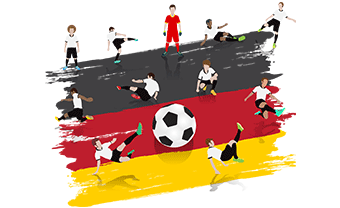
German
adj. 德国的;德语的,德国人的
n. 德语;德国人
例句:Half of the books are in German.
这些书有一半是德语的。
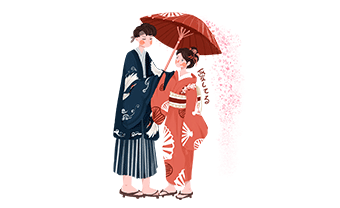
Japanese
n.日本人,日本国民; 日语;
adj.日本的,日本人的; 日语的;
例句:New Japanese cars averaged 13 km to the litre in 1981.
1981年,新型的日产汽车平均每升汽油能跑13千米。
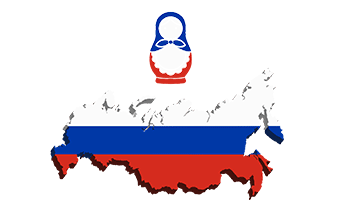
Russian
adj. 俄国的;俄语的
n. 俄语;俄国人
例句:He says this in his last Russian novel, The Gift.
他在最后一本其俄语小说《礼物》中这么说。
visitor
n. 访问者,参观者;视察者;候鸟
例句:So what can we do with our new and improved visitor?
利用全新、改进的访问者,我们可以做些什么?
Russia
n.(1917年以前的)俄罗斯帝国; 现俄罗斯; 俄罗斯皮革;
例句:There are still several million ethnic Germans in Russia.
俄罗斯境内仍有数百万德国人。
what
pron.(用以询问某人或某事物的词)什么,多少; …的事物;
adj.…的(事物或人);
adv.(用于感叹句中);
int.(用以表示不相信或惊奇); (用以表示未听清楚对方说的话);;
例句:
For what do we live, but to make sport for our neighbours, and laugh at them in our turn?
我们活着是为了什么?不就是给邻居当笑柄,再反过来笑他们。
nod
vi.点头; 打瞌睡; 上下摆动; 变得粗心大意
vt.点头示意; 使弯曲,使屈服; 点头答应;
n.点头; 点头同意; 打瞌睡,打盹; 粗心大意
变形
过去式: nodded 过去分词: nodded 现在分词: nodding 第三人称单数: nods
例句:
He turned with a little nod and I watched him walk away.
他边点了点头边转过身,我看着他走了。
head
n.上端; 头脑; 头部; 首脑,首长
vt.用头顶; 前进; 作为…的首领; 站在…的前头
vi.朝…行进; 出发; 向…方向移动; 船驶往
adj.头的; 在前头的; 首要的; 在顶端的
例句:He won a head-to-head battle with NF leader Jean-Marie Le Pen.
他在和国民阵线领袖让-马里·勒庞的正面交锋中获得了胜利。
hug
vt.& vi.热烈地拥抱,抱住,紧抱;
vt.紧靠…走; 抱有,持有;
n.紧抱,热烈拥抱;
vi.缠紧,缚紧(某物,尤指人体);
例句:He hugged the wrong belief.
他坚持这一错误的信念。
each
adj.每; 各自的;
pron.每个; 各自;
例句:His voice was harsh as he enunciated each word carefully.
他一字一顿,听上去很生硬。
each other
v.(用作动词或介词的宾语)互相,彼此;
例句:Try to support each other when one of you is feeling down.
当有人觉得情绪低落时,要努力相互打气。
India
n.印度(亚洲);
例句:India has always been one of the most religiously diverse countries.
印度一直都是宗教信仰最多元的国家之一。
together
adv.同时; 在一起; 一致地; 不间断地
adj.稳定可靠的; 做事有效率的;
例句:
They were all talking together and I couldn't understand a word.
他们一起说话,我一个字都听不清。
Maori
n.(新西兰的)毛利人; 毛利语;
adj.毛利人的;
变形
复数: Maoris
例句:
In New Zealand, the Maori people maintain a strong cultural tradition.
在新西兰,毛利人保持着深厚的文化传统。
touch
vt.触摸; 使某物与…轻轻接触; 吃或喝,尝; [数]与…相切
n.触摸,碰; 触觉,触感; 修饰,润色; 痕迹
vi.接触; 联系;
变形
复数: touches 过去式: touched 过去分词: touched 现在分词: touching 第三人称单数: touches
例句:
Now is the time to touch him for a loan.
现在是向他借笔钱的时候了。
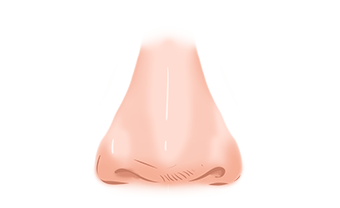
nose
n.鼻子; 嗅觉; 芳香,香气; 突出的部分
vt.嗅出,闻出; 用鼻子触; 用鼻子品评(酒)等; 探出
vi.小心探索着前进; 探问;
变形
复数: noses 过去式: nosed 过去分词: nosed 现在分词: nosing 第三人称单数: noses
例句:
Barry had his nose put out of joint by Lucy's aloof sophistication.
露西的冷淡与世故使得巴里十分不快。
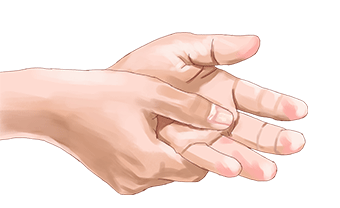
finger
n.手指; 指状物; 指针;
vt.伸出; 告发; 用手指触摸;
vi.用手指触摸; 拨弄;
例句:Isn't it about time that you pulled your finger out?
现在到了你该赶紧动起来的时候了吧?
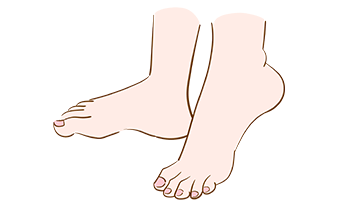
foot
n.脚; 底部; 英尺(=12 英寸或 30。48 厘米); 脚步
vt.走,踏;
vt.& vi.结算,总计,共计;
例句:I tried to reach the foot brakes but I couldn't.
我试图去够脚刹,但是没能踩到。
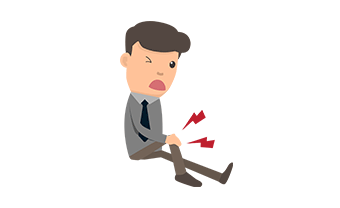
knee
n.膝; 膝盖;
vt.用膝盖碰;
例句:A stiff knee following surgery forced her to walk with a limp.
手术后她的膝盖活动不便,走路时被迫跛行。
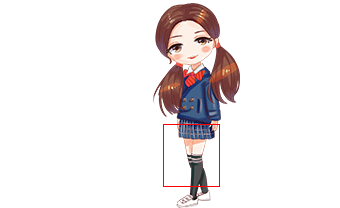
leg
n.腿; 支柱,支架; 裤腿; 一段赛程
vi.<口>走,跑;
例句:He had to have one leg amputated above the knee.
他的一条腿不得不从膝部以上截断。
mouth
n.口; 出入口; 传闻;
vt.装腔作势地说; 喃喃地说,心不在焉地说,言不由衷地说;
vi.装腔作势说话;
例句:A thorough brushing helps to freshen up your mouth.
彻底刷牙有助于口气清新。
body
n.身体; 尸体; 团体; 物体
vt.赋予形体;
例句:His resignation was a body blow to the team.
他的辞职是对该队的沉重打击。
foreign
adj. 外国的;外交的;异质的;不相关的
例句:They lived under foreign rule for many years.
他们在外国的统治下生活了多年。
North American
北美洲的; 北美洲人的; 北美洲人(尤指美国、加拿大人),住在北美洲的人;
例句:
North American literature is the main theme of this year's festival.
北美文学是今年艺术节的主题。
personal
adj. 个人的;身体的;亲自的
n. 人事消息栏;人称代名词
例句:She has no personal ambition.
她没有个人野心。
arm
n.臂; 武器; [复数]战事; 权力
vi.准备(斗争),准备行动(against);
vt.装备(防御工事); 准备(攻击或迎击); 配备; 防护
变形
复数: arms 过去式: armed 过去分词: armed 现在分词: arming 第三人称单数: arms
例句:
When you are sitting, keep your elbow on the arm rest.
坐立时,把胳膊肘靠在扶手上。
arm in arm
挽臂,携手;
例句:
We went skipping down the street arm in arm.
我们挽着胳膊,蹦蹦跳跳地走在大街上。
South American
adj.南美的,南美人的;
例句:
I think your South American youth has prejudiced you.
我认为你在南美度过的青少年时代让你产生了偏见。
hold
vt. 持有;拥有;保存;拘留;约束或控制
vi. 支持;有效;持续
n. 控制;保留
n. (Hold)人名;(英、德、捷)霍尔德
又作“Hold住”使用,中英混用词汇,表示轻松掌控全局。
[ 过去式 held 过去分词 held或holden 现在分词 holding ]
例句:I have to hold down my post.
我得设法保住我的职位。
move
vt.& vi.移动,搬动;
vi.搬家; 行动; 进展; (机器等)开动
vt.提议; 使感动; 摇动; 变化
n.改变; 迁移;
例句:So, if we could just move onto something else?
那么我们可不可以干脆谈点别的?
Britain
n.不列颠,英国;
例句:She is a long way from being the richest person in Britain.
比起英国首富,她还差得远呢。
(not) at all
(没有)
例句:
"Sorry. I sound like Abby, don't I?" — "No. Not at all."
“抱歉,我讲起话来像阿比,是不是?”——“不,一点不像。”
polite
adj.有礼貌的; 有教养的,文雅的; 上流社会的; 应酬的,客套的
例句:He's a man of few words, very polite and unassuming.
他话不多,很有礼貌,为人谦和。
somewhere
adv.某处,在某处; 在[到]某处; 不知道在[到]什么地方; 某地
例句:I wanted to get her away to somewhere safe.
我想带她逃到一个安全的地方。
wave
n.波浪,波动; 挥手; 涌现的人(或事物); 汹涌的行动(或思想)态势
vi.摇摆,起伏;
vt.& vi.(一端固定地)飘扬; 挥手指引; 挥动…示意; 略呈波形
vt.挥手表示; 挥舞; 使…略呈波形; 烫(发)
例句:I use the short-wave radio to get the latest war news.
我用短波收音机收听最新的战事新闻。
fact
n. 事实;实际;真相
例句:Her argument is grounded on fact.
她的论点是基于事实的。
in fact
实际上,其实; 实则; 事实上; 说起来
例句:You have to admit that you are, in fact, in difficulties.
你不得不承认,你事实上是陷入了困境。
rude
adj.粗鲁的; 简陋的; 狂暴的; 近乎下流的
例句:Rude taxi drivers clocked up a total of 239 offences in 1990.
1990年,出租车司机鲁莽驾驶导致的违章事件总共达239起。
bring
vt.带来,引来; 促使,引起; 提供; 导致
例句:They were anxious to bring the washing in before it rained.
他们急于在下雨前把洗好的衣服收进屋子。