- 单词练习
- 单词听写
-

发烧
()
-
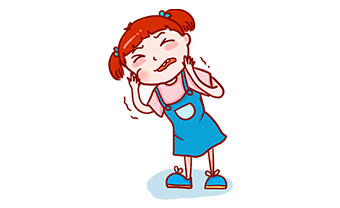
牙疼
()
-
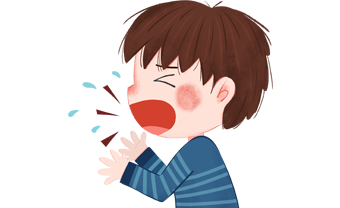
咳嗽
()
-

冷的,寒冷的
()
-

顺利地;令人满意地
()
-

药,药物
()
fever
toothache
cough
cold
well
medicine
“消灭星星”规则:请在上面横线处填入对应的单词,如果单词拼写正确,下面对应的小星星将会消失哦!
(填写完成后请在空白处点击,表示填写完毕)
单词学习
fever
n.发热,发烧; 热病; 一时的狂热; 激动不安
vt.引起发热; 使狂热; 使患热病;
vi.发热或变得发热; 狂热; 患热病;
例句:During fever a large quantity of fluid is lost in perspiration.
发烧时,大量水分会通过排汗而丧失。
toothache
n.牙痛,牙疼;
例句:I've got a toothache.
我牙疼。
cough
vt.& vi.咳嗽; (引擎等)发噗噗声; 咳出;
n.咳,咳嗽; 咳嗽病; (机关枪等的)连续发射声;
例句:Will this be enough to persuade Congress to cough up?
这能说服国会掏钱吗?
cold
adj.寒冷的; 冷淡的,无情的; 失去知觉的; [艺]有冷感的,冷色的
n.寒冷; 感冒,伤风;
adv.完全地;
例句:The cold, misty air felt wonderful on his face.
雾蒙蒙,寒冷的空气使他脸上感觉很舒爽。
well
adv.好; 很; 好意地; 高高兴兴地
adj.健康的; 井的; 良好的; 恰当的
int.(用于表示惊讶,疑虑,接受等);
n.泉; 源泉; 水井;
vi.(液体)涌出; 流出; 涌流; 涌上
vt.涌出,喷出;
例句:He was well acquainted with the literature of France, Germany and Holland.
他对于法国、德国和荷兰的文学了如指掌。
medicine
n.医学; 药物; 有功效的东西,良药;
例句:Traditionally young Asians in Britain have gravitated towards medicine, law and engineering.
英国的亚裔年轻人通常被吸引到医学、法律及工程专业。
-

fever
发烧
-
toothache
牙疼
-
cough
咳嗽
-
cold
冷的,寒冷的
-
well
顺利地;令人满意地
-
medicine
药,药物